ZimalCloud insights

Ideas that move healthcare practices forward

Practical guidance on care programs, practice operations, healthcare technology, and sustainable growth.

Latest insights

rpm-vs-telehealth-understanding-the-difference-card
Healthcare technology

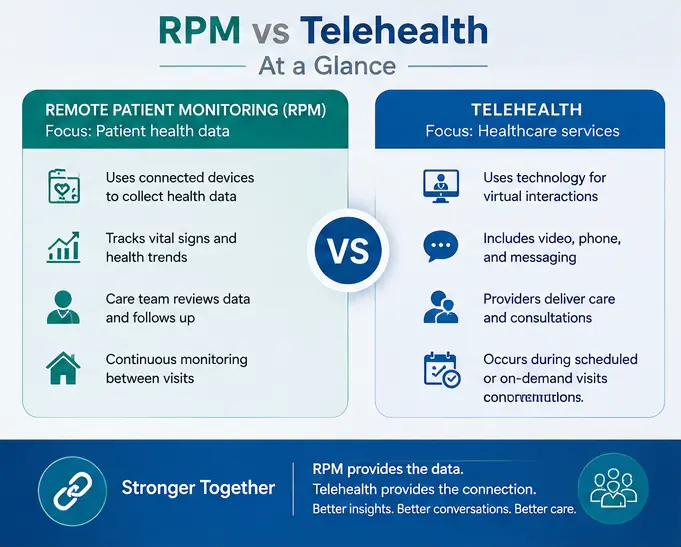
RPM vs Telehealth: Understanding the Difference

RPM and telehealth both bring healthcare beyond the traditional clinic, but they serve different purposes. Remote Patient Monitoring uses connected devices to collect and review patient health data, while telehealth enables remote consultations, communication, and care delivery. Learn how RPM and telehealth differ, how they can work together, and when each approach benefit patients and providers.

Read insight
10-essential-features-every-modern-practice-management-system-card
Healthcare technology

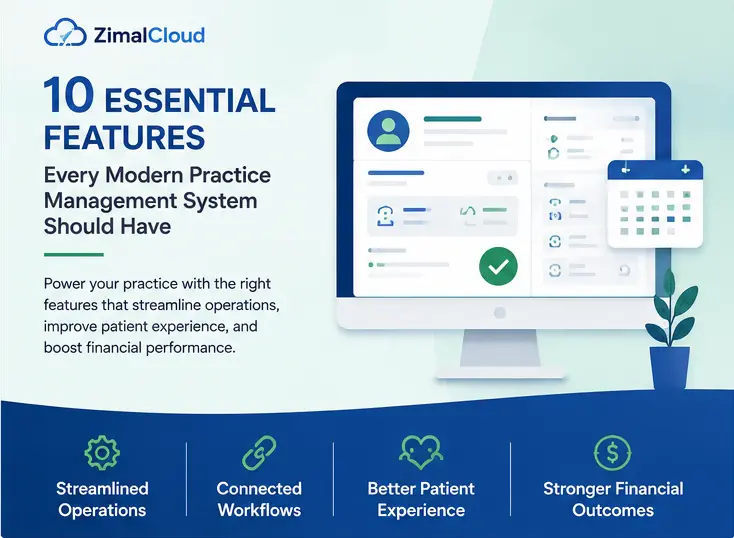
10 Essential Features Every Modern Practice Management System Should Have

A modern Practice Management System can streamline everything from scheduling and patient registration to billing, claims, communication, analytics, and security. This guide explores 10 essential features practices should look for, including automation, interoperability, revenue-cycle management, workflow tools, and secure access—all designed to create a more connected and efficient practice.

Read insight
ccm-vs-rpm-what-s-the-difference-card
Care management

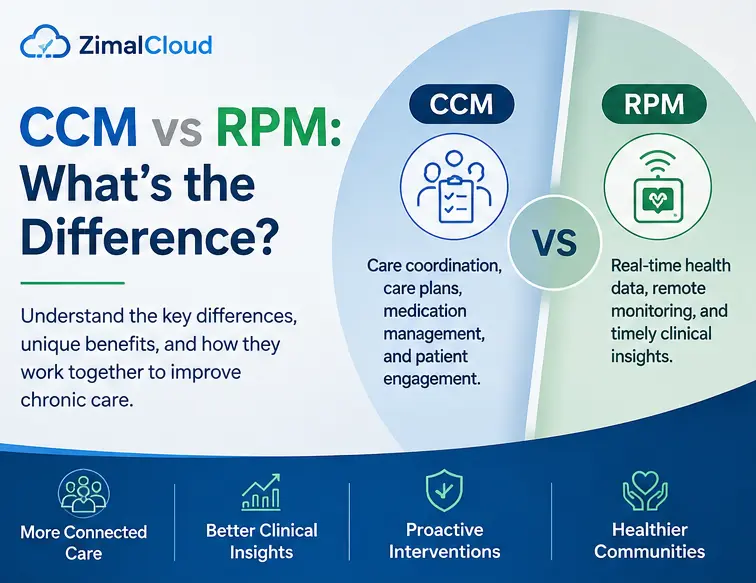
CCM vs RPM: What the Difference?

CCM and RPM both support patients beyond traditional office visits, but they serve different purposes. CCM focuses on comprehensive chronic care coordination, while RPM uses connected devices to collect and monitor physiological data remotely. Understanding their differences—and how they can work together—can help practices build more connected and effective chronic care programs.

Read insight
what-is-practice-management-software-a-complete-guide-for-medical-practices-card
Healthcare technology

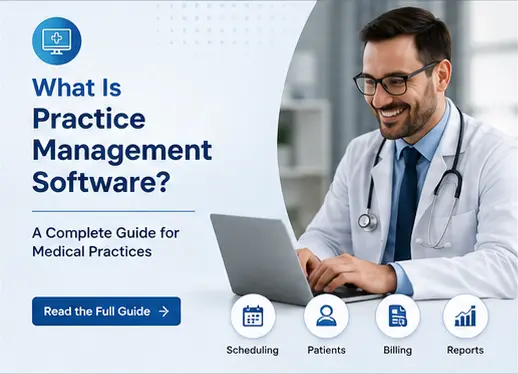
What Is Practice Management Software? A Complete Guide for Medical Practices

Practice Management Software helps medical practices manage the administrative and financial side of healthcare. From patient registration and appointment scheduling to insurance verification, claims, payments, and reporting, PMS connects essential workflows in one system. Learn how practice management software works, its key features, benefits, and what to consider when choosing a solution.

Read insight
pcm-vs-ccm-what-s-the-difference-card
Care management

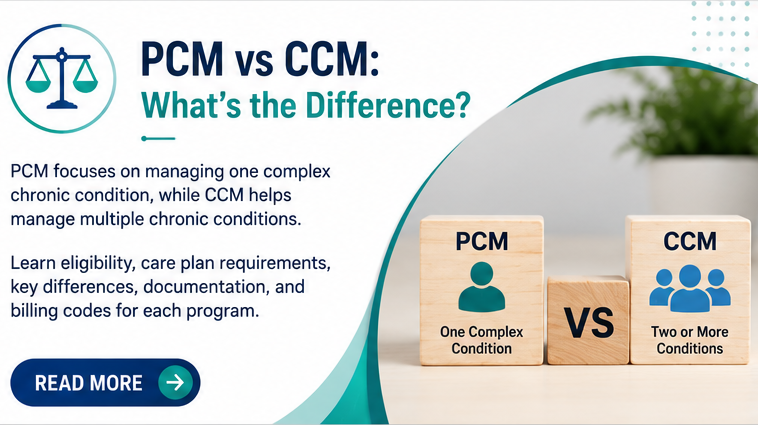
PCM vs CCM: What's the Difference?

PCM and CCM are Medicare care-management services designed to support patients with chronic conditions, but they serve different clinical needs. CCM generally coordinates care for patients with two or more chronic conditions, while PCM focuses on one complex, high-risk chronic condition. Understanding the difference helps practices choose appropriate workflows, documentation, and billing process.

Read insight
gi-medical-billing-common-challenges-and-solutions-card
Gastroenterology

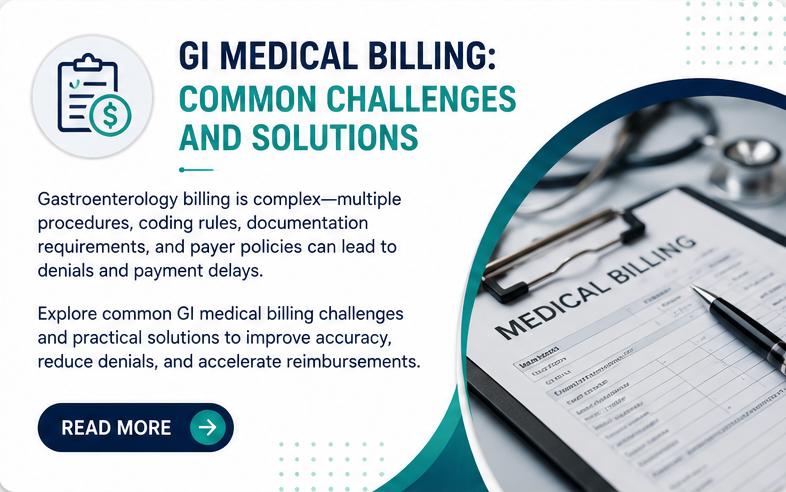
GI Medical Billing: Common Challenges and Solutions

Gastroenterology billing can be complex due to specialized procedures, coding requirements, documentation rules, insurance policies, and claim denials. This guide explores common GI medical billing challenges and practical solutions to improve coding accuracy, reduce rejected claims, accelerate reimbursements, and create a more efficient revenue cycle for gastroenterology practices.

Read insight
fhir-vs-hl7-what-s-the-difference-card
Healthcare technology

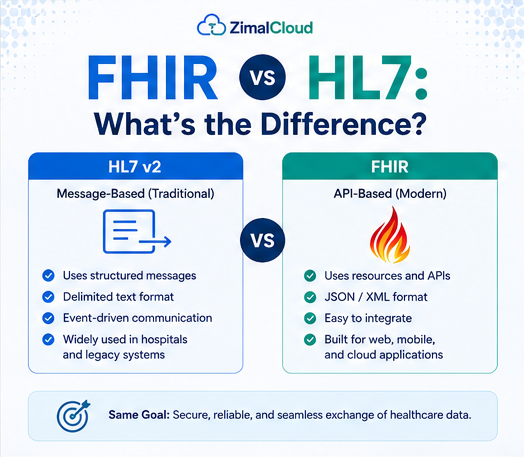
FHIR vs HL7: What’s the Difference?

FHIR and HL7 are two important healthcare interoperability standards. HL7 v2 uses message-based communication and remains widely used by hospitals and legacy systems, while FHIR uses modern resources, APIs, JSON, and web technologies. Learn how they differ, where each is used, and how healthcare organizations can use both to build connected digital health ecosystems.

Read insight
ai-in-medical-billing-opportunities-and-challenges-card

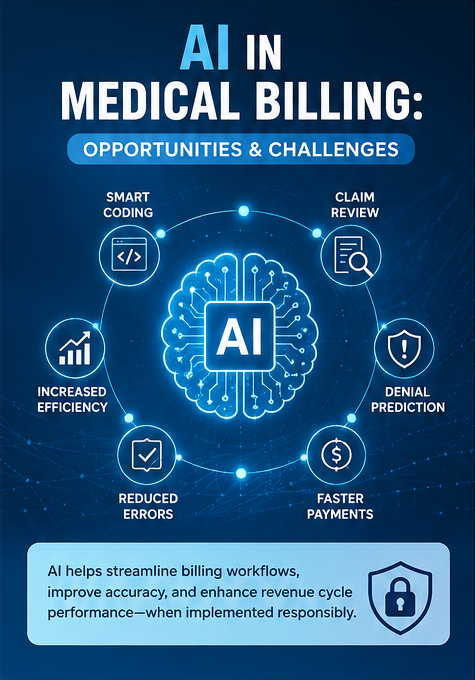
AI in Medical Billing: Opportunities and Challenges

AI is transforming medical billing by automating repetitive tasks, supporting coding, improving claims accuracy, predicting denials, and streamlining revenue cycle workflows. While these benefits can improve efficiency and reduce administrative costs, healthcare organizations must address privacy, compliance, integration, accuracy, and human oversight to use AI responsibly and effectively.

Read insight
hipaa-compliant-cloud-software-what-should-providers-look-for
Healthcare technology

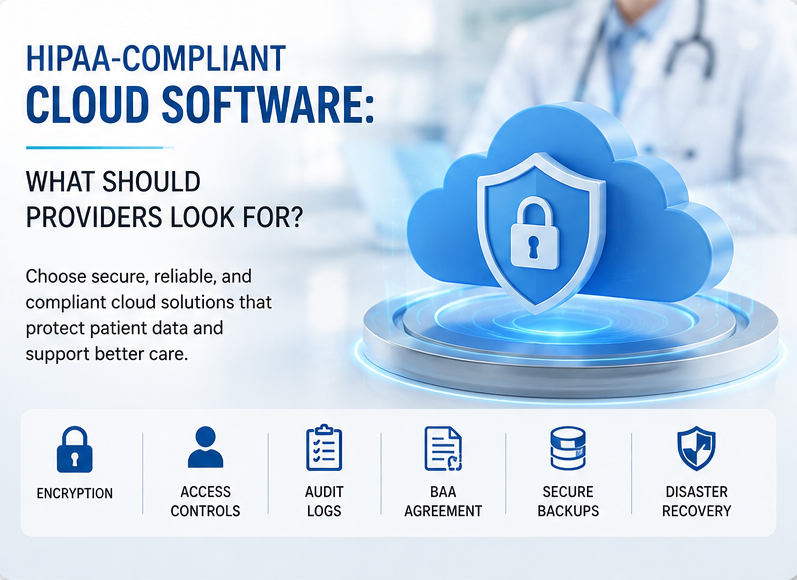
HIPAA-Compliant Cloud Software: What Should Providers Look For?

HIPAA-compliant cloud software helps healthcare providers securely manage PHI while supporting modern workflows. Learn what to evaluate before choosing a platform, including encryption, access controls, MFA, audit logs, BAAs, backups, disaster recovery, data portability, vendor security, and incident response. The right solution balances security, compliance, reliability, and everyday usability.

Read insight