ZimalCloud insights

Ideas that move healthcare practices forward

Practical guidance on care programs, practice operations, healthcare technology, and sustainable growth.

Latest insights

what-is-principal-care-management-pcm-card
Care management

What Is Principal Care Management (PCM)?

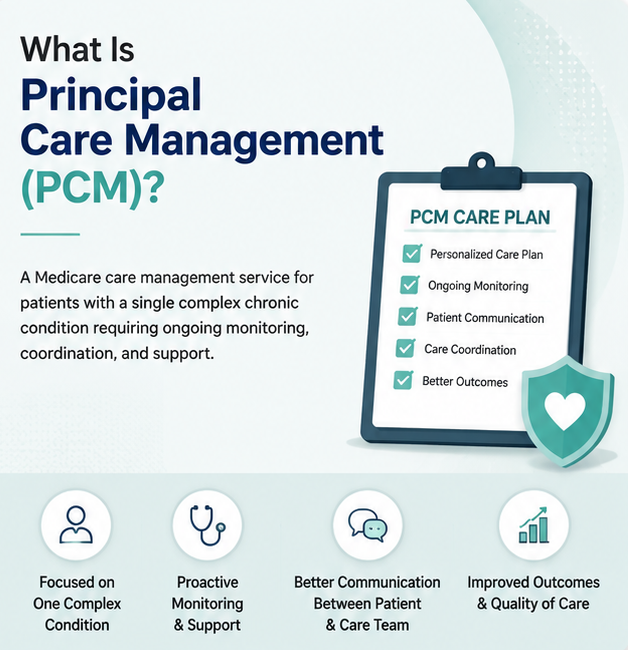
Principal Care Management (PCM) provides focused, ongoing support for patients with a single complex chronic condition. Through personalized care plans, regular monitoring, patient communication, and care coordination, PCM helps healthcare teams manage disease more proactively, improve continuity of care, and support better patient outcomes between routine appointments

Read insight
how-ccm-software-helps-manage-chronic-conditions-card
Care management

How CCM Software Helps Healthcare Providers Manage Chronic Conditions

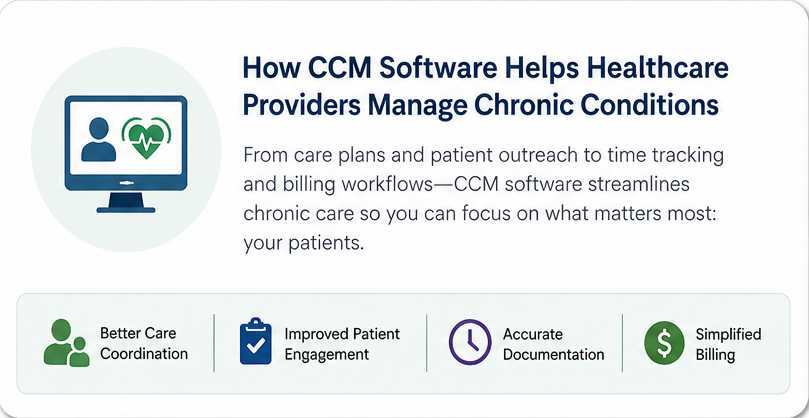
CCM software helps healthcare providers manage chronic conditions through centralized care plans, patient outreach, medication tracking, task automation, documentation, time tracking, and care coordination. By connecting clinical activities with reporting and billing workflows, CCM technology enables more organized, proactive, and continuous care while reducing administrative workload.

Read insight
what-is-remote-patient-monitoring-rpm-card
Care management

What Is Remote Patient Monitoring (RPM)?

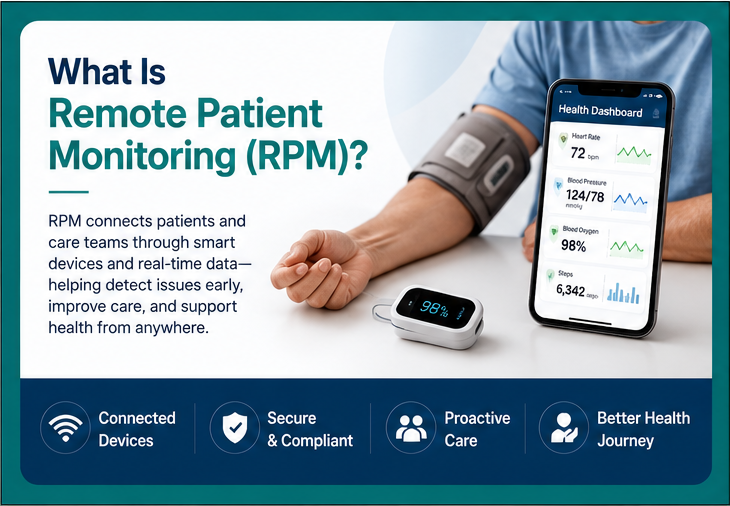
Remote Patient Monitoring (RPM) allows healthcare providers to monitor patients' health data from outside a traditional clinical setting. Using connected devices and digital technology, RPM can collect vital signs, share information with care teams, identify changes early, and support timely interventions—helping patients stay connected to care from the comfort of home.

Read insight
what-is-healthcare-interoperability-card
Healthcare technology

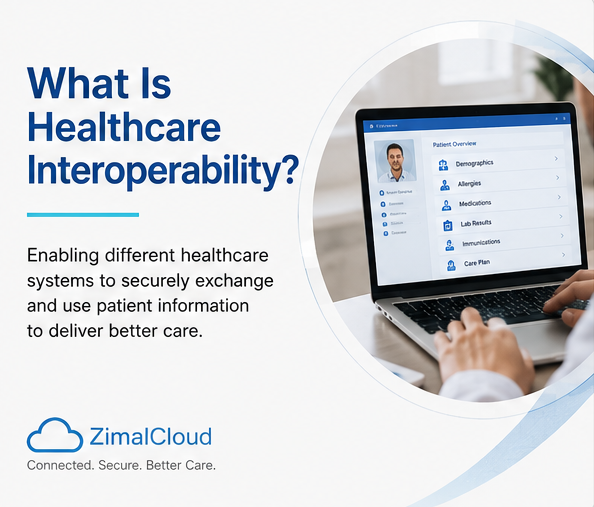
What Is Healthcare Interoperability?

Healthcare interoperability enables different healthcare systems, EHRs, providers, laboratories, pharmacies, and other organizations to securely exchange and use patient information. By using standards such as FHIR, HL7, and USCDI, interoperability reduces data silos, minimizes duplicate work, improves care coordination, and supports more connected, efficient, patient-centered healthcare.

Read insight
ccm-billing-cpt-codes-requirements-and-workflow-banner
Care management

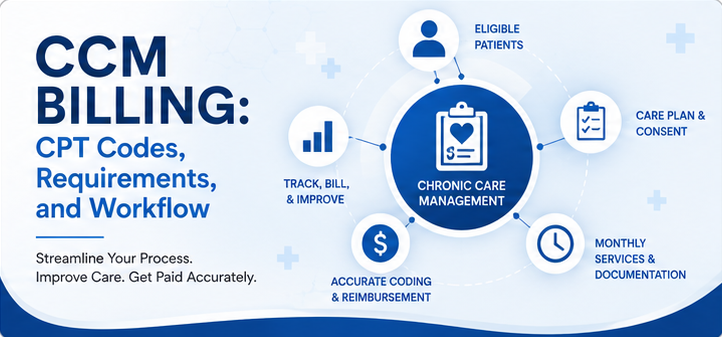
CCM Billing: CPT Codes, Requirements, and Workflow

CCM billing helps healthcare practices receive reimbursement for coordinating care for eligible patients with multiple chronic conditions. This guide explains key CPT codes, patient eligibility, consent, care-plan and documentation requirements, monthly time thresholds, and a practical billing workflow. Learn how to build a consistent CCM process while supporting better care and accurate claims.

Read insight
how-ai-is-transforming-healthcare-practice-management-card
Care management

How AI Is Transforming Healthcare Practice Management

AI is transforming healthcare practice management by automating administrative tasks, optimizing scheduling, improving documentation, supporting billing, enhancing patient communication, and turning healthcare data into actionable insights. With strong privacy, security, and human oversight, AI can help practices improve efficiency, reduce workload, strengthen care coordination.

Read insight
bhi-vs-mental-health-services-what-s-the-difference

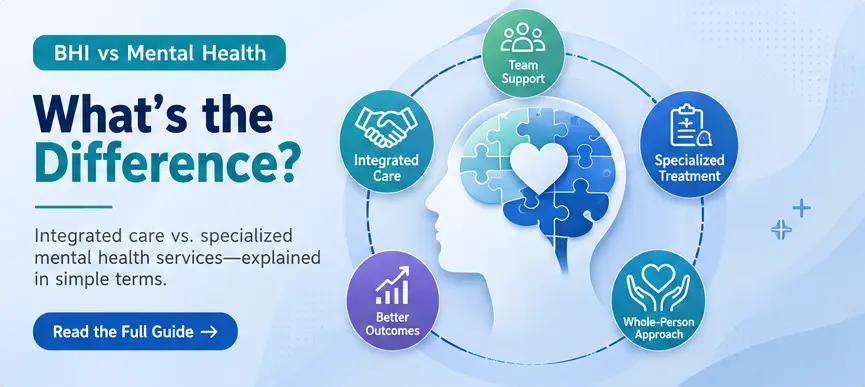
BHI vs Mental Health Services: What's the Difference?

BHI and Mental Health Services are related but different. Mental Health focuses on diagnosing and treating psychiatric or behavioral conditions, while BHI integrates behavioral healthcare into primary care through assessment, care planning, monitoring, care coordination, and team-based support. BHI can complement—not replace—specialized mental health services.

Read insight
what-is-chronic-care-management-ccm-card
Care management

What Is Chronic Care Management (CCM)?

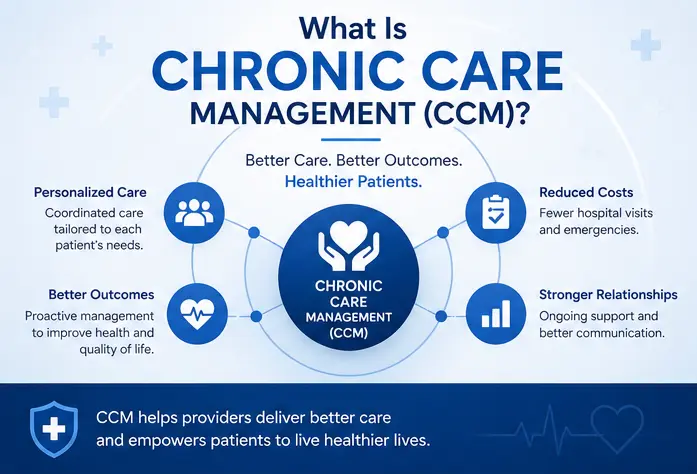
Chronic Care Management (CCM) helps patients with multiple chronic conditions receive coordinated support between appointments. It includes personalized care planning, medication management, provider communication, care-transition support, and ongoing monitoring. CCM helps improve continuity of care and keeps patients engaged in managing their long-term health needs.

Read insight