What Is Chronic Care Management (CCM)?
Chronic Care Management (CCM) helps patients with multiple chronic conditions receive coordinated support between appointments. It includes personalized care planning, medication management, provider communication, care-transition support, and ongoing monitoring. CCM helps improve continuity of care and keeps patients engaged in managing their long-term health needs.
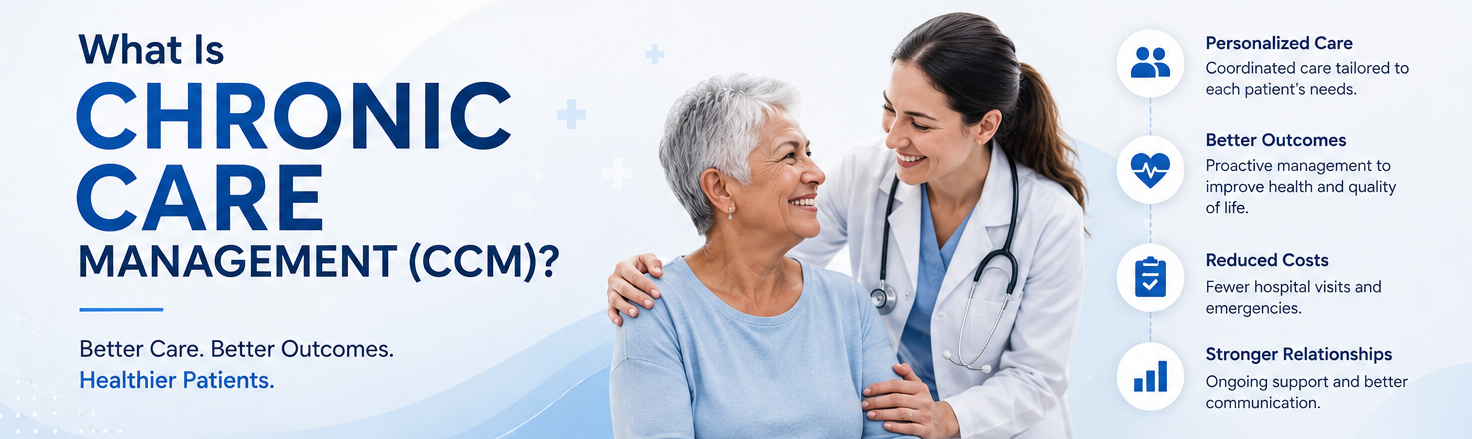
Table of contents
What Is Chronic Care Management (CCM)? A Complete Guide
Chronic Care Management (CCM) is a healthcare service designed to help patients manage multiple long-term health conditions through ongoing care coordination, monitoring, and support. Instead of focusing only on what happens during an office visit, CCM helps patients receive organized support between appointments.
According to the Centers for Medicare & Medicaid Services (CMS), Medicare CCM generally applies to patients with two or more chronic conditions expected to last at least 12 months or until the patient’s death, when those conditions place the patient at significant risk of serious complications, functional decline, or death.
How Does Chronic Care Management Work?
CCM creates a structured approach to managing a patient's ongoing healthcare needs. A healthcare professional and care team work with the patient to develop and maintain a comprehensive care plan.
Depending on the patient's needs, CCM can include:
- Developing and updating a personalized care plan
- Coordinating care between primary care providers and specialists
- Reviewing and managing medications
- Monitoring chronic health conditions
- Supporting care transitions after hospitalization
- Helping patients follow treatment plans
- Providing access to healthcare support when urgent needs arise
- Coordinating information among providers, pharmacies, hospitals, and other healthcare services
This coordinated approach helps ensure that important information does not get lost when patients receive care from multiple providers.
Who Can Benefit From CCM?
CCM is particularly useful for patients managing multiple chronic conditions. Examples can include:
- Diabetes
- Hypertension
- Asthma
- Chronic obstructive pulmonary disease (COPD)
- Cardiovascular disease
- Arthritis
- Cancer
- Depression
- Alzheimer’s disease and related dementia
- Atrial fibrillation
CMS eligibility depends on specific Medicare requirements, including having two or more qualifying chronic conditions expected to last at least 12 months or until death.
What Services Are Included in CCM?
CCM typically involves ongoing, non-face-to-face care coordination. Core service elements include structured patient health information, a comprehensive electronic care plan, care transition management, and timely sharing of health information with other members of the care team.
A CCM program may also help patients understand their medications, follow treatment recommendations, schedule appropriate follow-ups, and communicate with their healthcare team.
What Are the Benefits of Chronic Care Management?
Effective CCM can make healthcare more organized and patient-centered. Potential benefits include:
Better care coordination: Multiple providers can work from a shared understanding of the patient's care plan.
Improved medication management: Regular medication review can help patients better understand and follow their treatment plans.
Greater patient engagement: Patients receive ongoing support to participate actively in managing their health.
Fewer gaps in care: Regular communication and monitoring can help identify problems before they become more serious.
Improved transitions of care: CCM can support patients when moving between settings such as hospitals, outpatient practices, and home care.
CCM and Medicare
Medicare Part B may cover eligible chronic care management services on a monthly basis. Patients generally must meet the eligibility requirements and provide consent to receive CCM. Cost-sharing can apply after the Part B deductible.
For providers, CMS describes standard CCM services as including at least 20 minutes of clinical staff care coordination per month for eligible patients under applicable billing requirements. Complex CCM services have different time and billing requirements.
Because Medicare rules and billing requirements can change, healthcare organizations should verify current CMS requirements before implementing or billing CCM services.
Why Is CCM Important for Healthcare Practices?
Healthcare is becoming increasingly complex, particularly for patients managing several chronic conditions at the same time. Without coordinated care, patients may struggle with medications, specialist appointments, follow-ups, and communication between providers.
CCM provides a structured way for healthcare practices to maintain ongoing communication and coordination beyond traditional office visits. It can help practices provide more proactive, continuous care while supporting patients in reaching their health goals.
Final Thoughts
Chronic Care Management is more than simply checking in with patients. It is a coordinated approach to managing long-term conditions through personalized care planning, communication, medication management, monitoring, and collaboration among healthcare professionals.
For eligible Medicare patients, CCM can provide valuable ongoing support between appointments. For healthcare practices, a well-designed CCM program can strengthen care coordination and create a more continuous, patient-centered healthcare experience.