ZimalCloud insights

Care management insights

Practical guidance on care management for physician-led organizations.

Care management

pcm-vs-rpm-when-should-provider-card
Care management

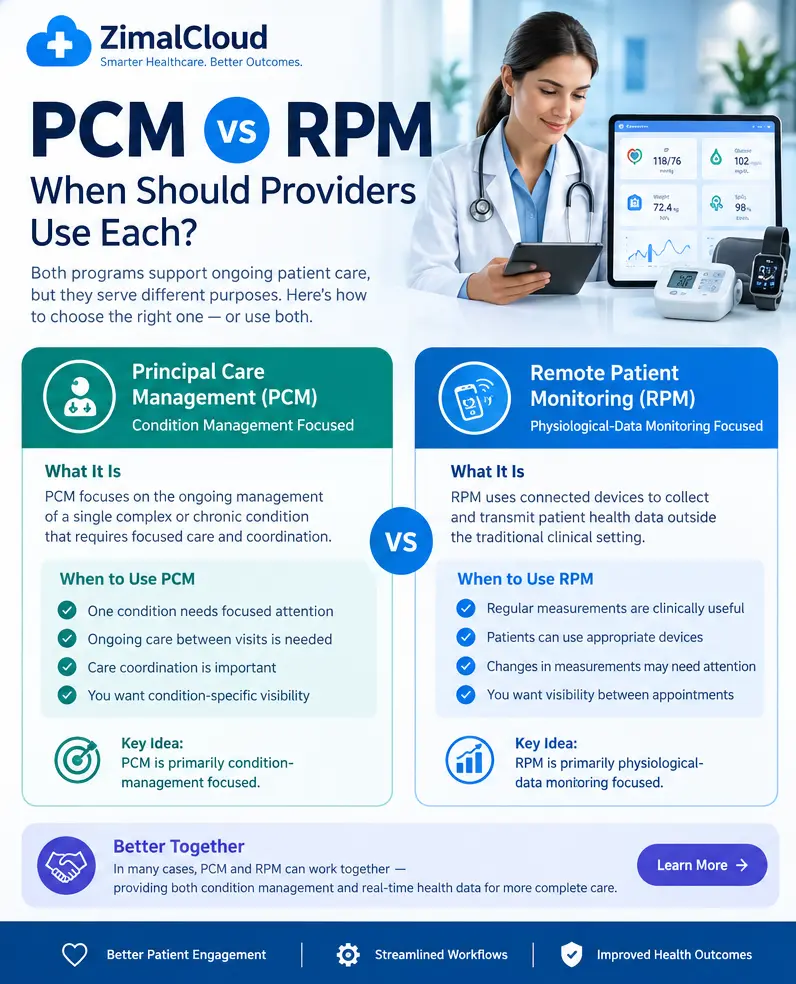
PCM vs RPM: When Should Providers Use Each?

PCM vs RPM: Understand the key differences between Principal Care Management and Remote Patient Monitoring. PCM focuses on managing a specific complex or chronic condition, while RPM uses remote devices to collect and review patient health data. Learn when each workflow may be appropriate and how both can work together to support connected, ongoing patient care.

Read insight
patients-qualify-ccm-guide-providers-card
Care management

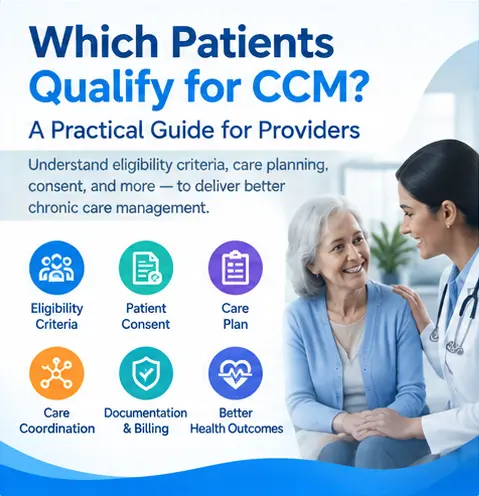
Which Patients Qualify for CCM? A Practical Guide for Providers

Which patients qualify for Chronic Care Management (CCM)? Learn the key Medicare eligibility criteria, including having two or more qualifying chronic conditions expected to last at least 12 months and creating a comprehensive care plan. This practical guide also explains consent, initiating visits, care coordination, documentation, and important considerations for providers.

Read insight
capturing-every-eligible-ccm-patient-card
Care management

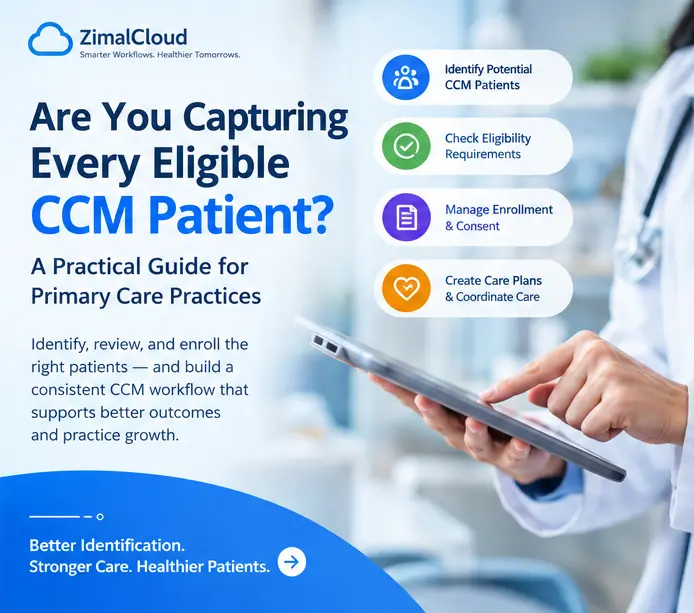
Are You Capturing Every Eligible CCM Patient? A Practical Guide for Primary Care Practices

Are you identifying every patient who may qualify for Chronic Care Management? This practical guide explains how primary care practices can systematically identify potential CCM patients, review eligibility, manage enrollment, build care plans, and create a consistent workflow that supports coordinated chronic care while reducing missed opportunities and administrative gaps.

Read insight
who-qualifies-principal-care-management-card
Care management

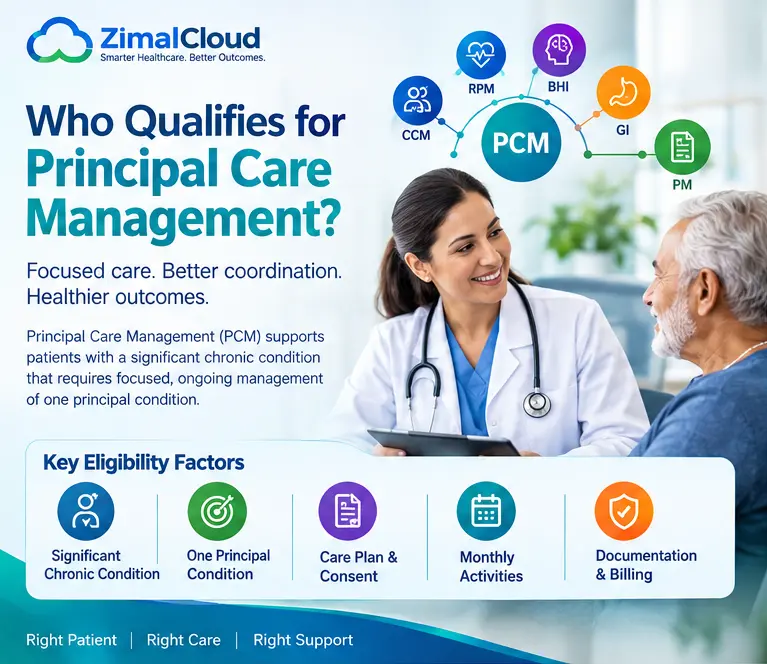
Who Qualifies for Principal Care Management?

Principal Care Management (PCM) supports patients with a significant chronic condition requiring focused, ongoing management. Learn who may qualify, what clinical and documentation requirements apply, how PCM differs from CCM, and how providers can build care plans, document monthly activities, and prepare accurate claims while following applicable Medicare and payer rules.

Read insight
remote-patient-monitoring-works-card
Care management

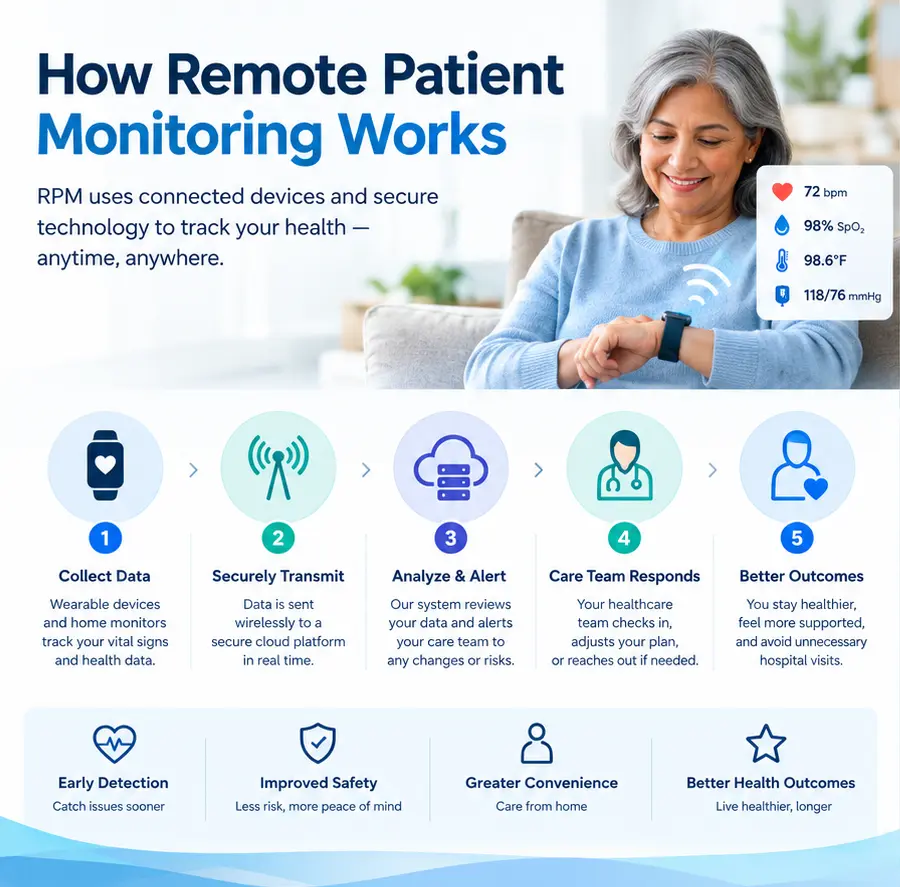
How Remote Patient Monitoring Works

Remote Patient Monitoring (RPM) connects patients, medical devices, and healthcare teams beyond the traditional clinic. Learn how RPM works—from patient enrollment and device setup to data collection, transmission, clinical review, alerts, documentation, and follow-up—and how connected RPM workflows can help practices improve monitoring, reduce manual work, and support ongoing patient care.

Read insight
improve-ccm-patient-engagement-card
Care management

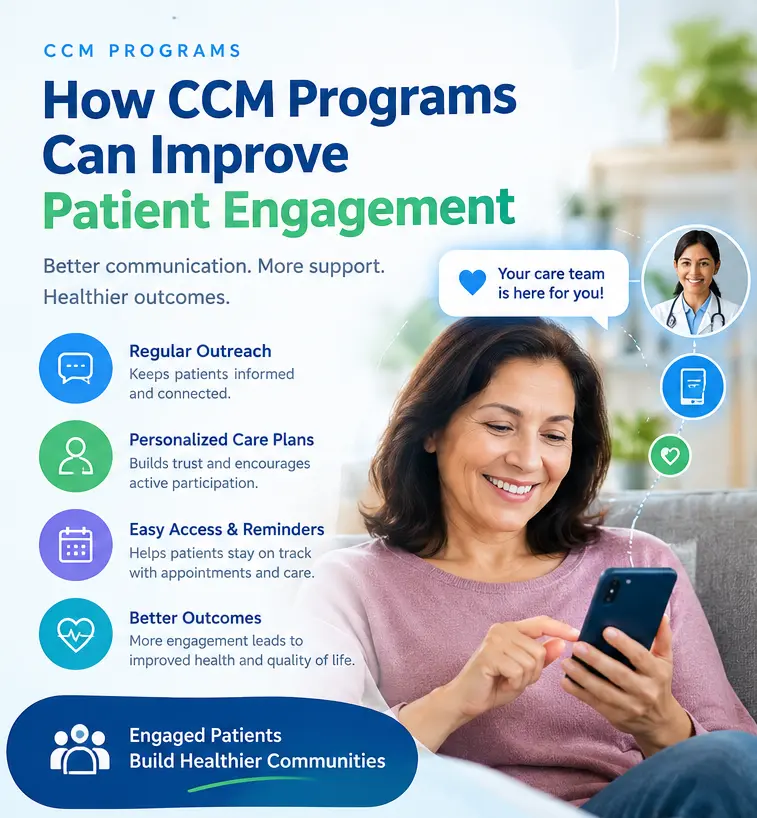
How CCM Programs Can Improve Patient Engagement

ZimalCloud CCM programs can help healthcare providers improve patient engagement through regular outreach, personalized care plans, medication communication, education, care coordination and consistent follow-up. Learn how structured CCM workflows and connected technology can help stay connected with chronic-care patients while reducing administrative friction and improving management visibility.

Read insight
technology-improve-ccm-card
Care management

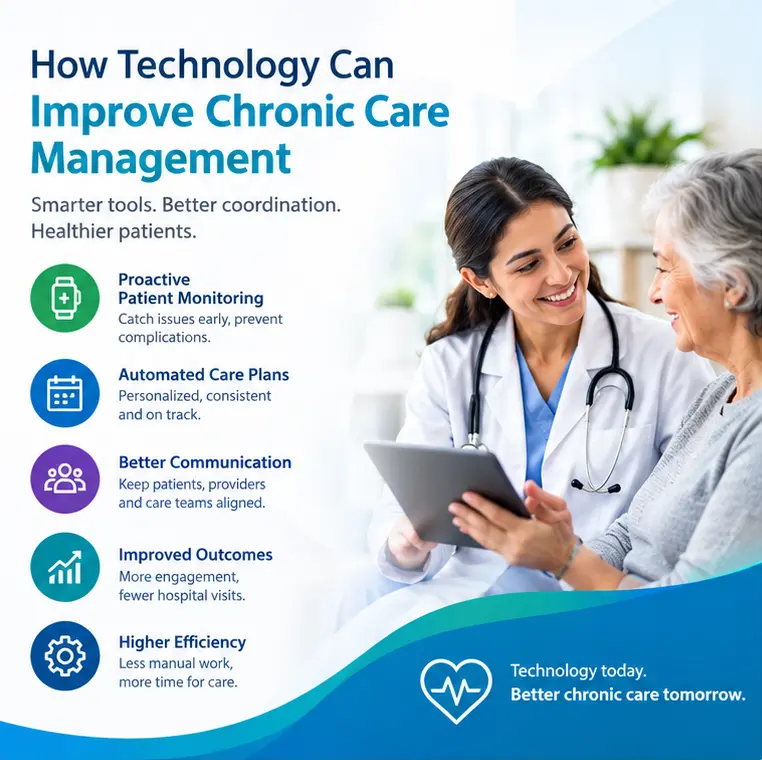
How Technology Can Improve Chronic Care Management

Technology can transform Chronic Care Management by connecting patient identification, enrollment, care plans, monthly activities, documentation, time tracking, provider review, and billing workflows. Learn how CCM software can reduce repetitive administrative work, improve care-team coordination, strengthen workflow visibility, and help practices manage chronic care more efficiently.

Read insight
ccm-vs-bhi-understanding-the-difference-card
Care management

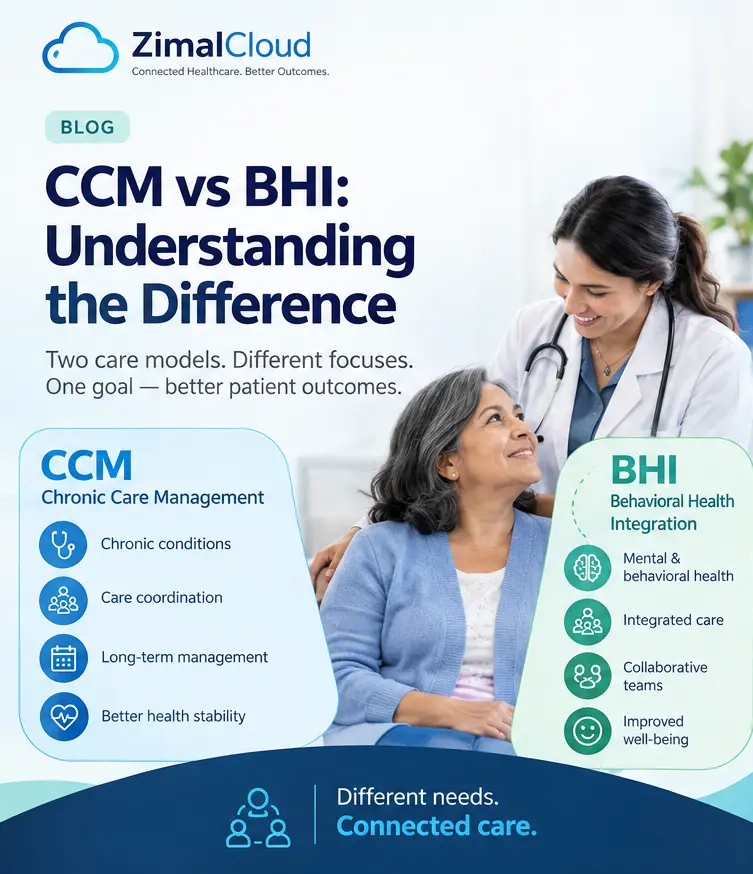
CCM vs BHI: Understanding the Difference

CCM focuses on coordinating care for patients with multiple chronic conditions, while Behavioral Health Integration (BHI) connects behavioral health services with medical care. Learn how CCM and BHI differ in patient focus, care plans, workflows, care coordination, and how both approaches can work together to support connected, patient-centered care.

Read insight