ZimalCloud insights

Care management insights

Practical guidance on care management for physician-led organizations.

Care management

ccm-and-rpm-how-providers-can-use-both-programs-together-card
Care management

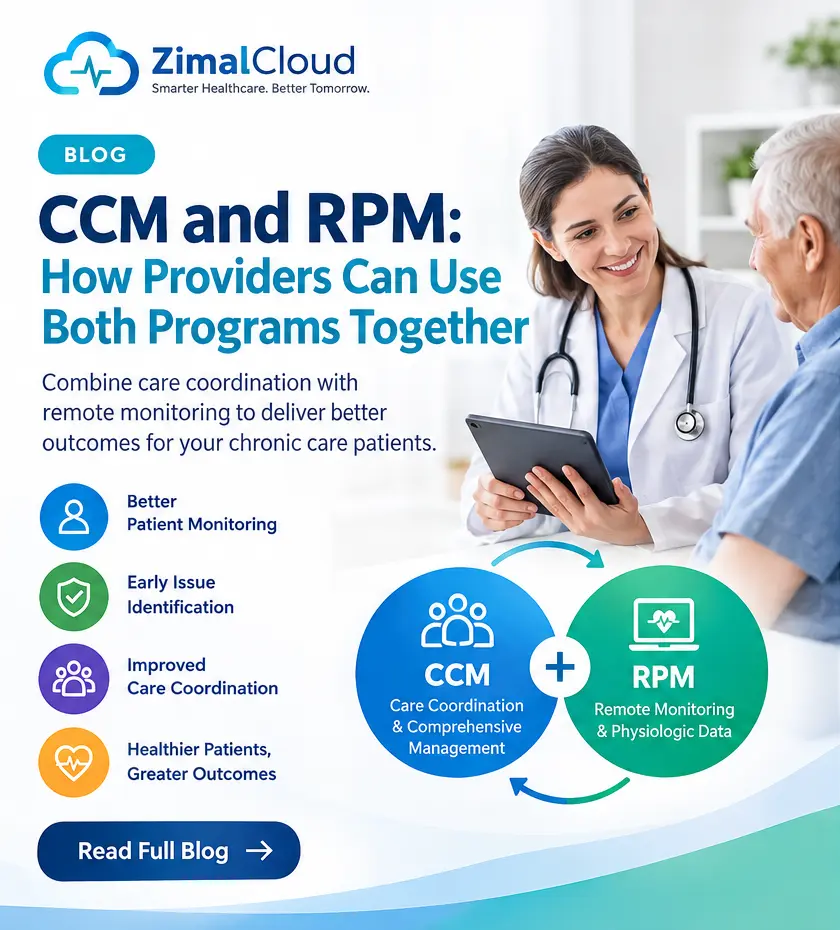
CCM and RPM: How Providers Can Use Both Programs Together

Chronic Care Management (CCM) and Remote Patient Monitoring (RPM) can work together to support patients with chronic conditions. CCM focus on ongoing care coordination and comprehensive care management, while RPM uses connected devices to monitor patient health data remotely. Learn how providers can combine both programs, coordinate workflows, document services, and improve chronic care delivery.

Read insight
how-to-build-an-effective-ccm-care-plan-card
Care management

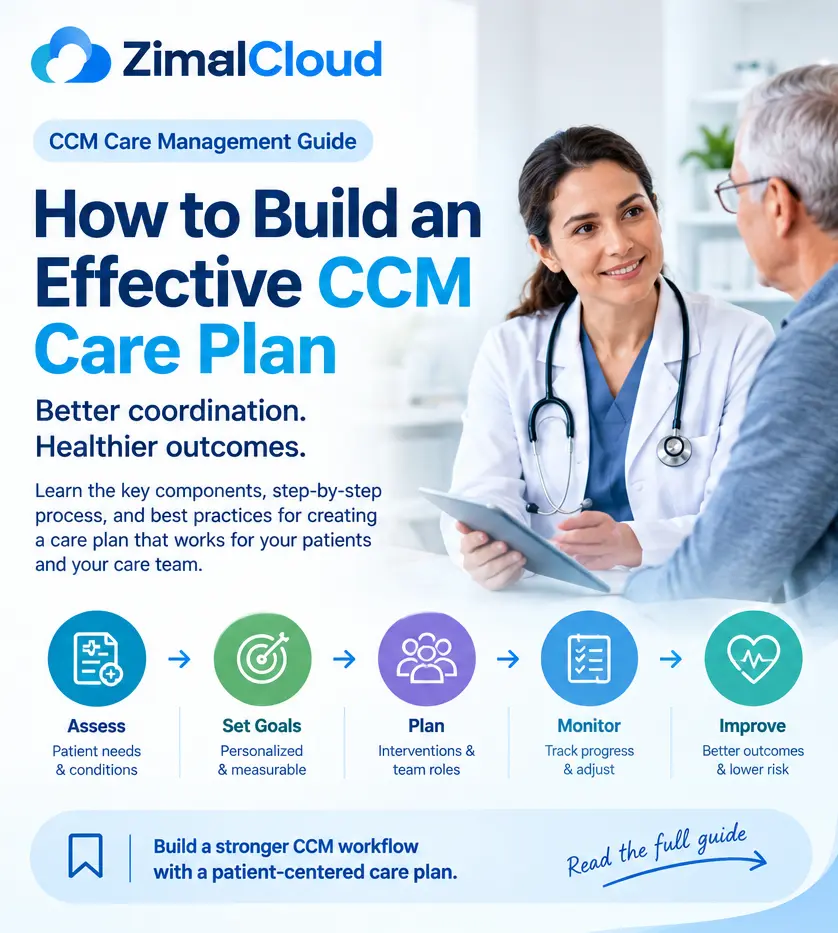
How to Build an Effective CCM Care Plan

Learn how to build an effective CCM care plan that supports coordinated chronic care, clear team responsibilities, patient-centered goals, monitoring, follow-up, documentation, and billing readiness. This guide covers the essential components of a strong CCM care plan, common workflow mistakes, and practical ways medical practices can improve care-management efficiency.

Read insight
pcm-billing-cpt-codes-and-requirements-card
Care management

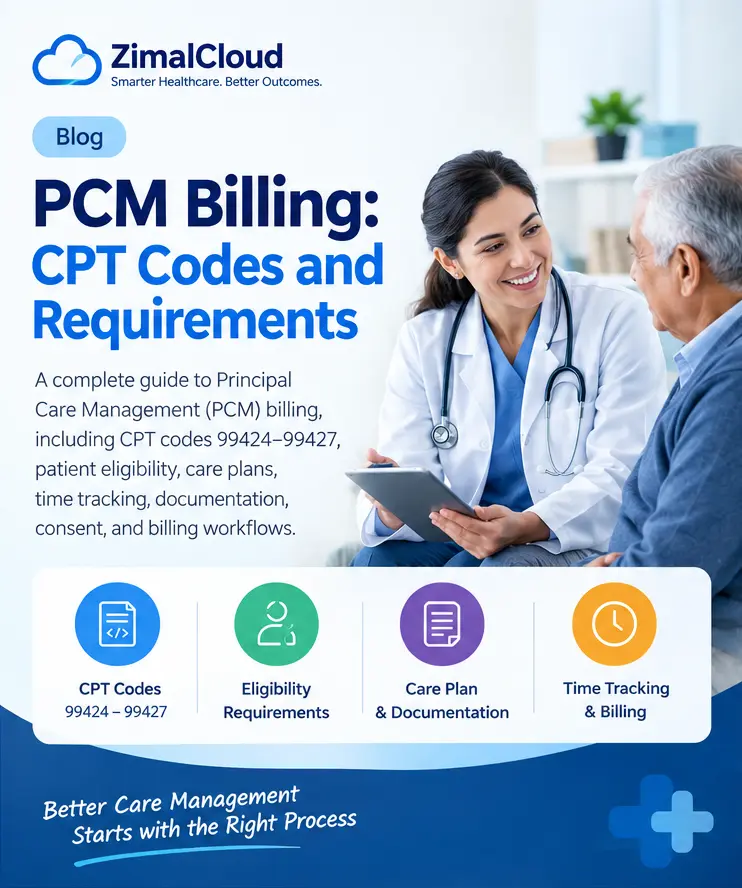
PCM Billing: CPT Codes and Requirements

PCM Billing: CPT Codes and Requirements Learn how Principal Care Management (PCM) works, including CPT codes 99424–99427, patient eligibility, care-plan requirements, time tracking, documentation, consent, and billing workflows. This practical guide helps medical practices understand PCM requirements and build accurate, compliant care-management processes.

Read insight
endoscopy-documentation-what-should-a-modern-system-capture-card
Care management

Endoscopy Documentation: What Should a Modern System Capture?

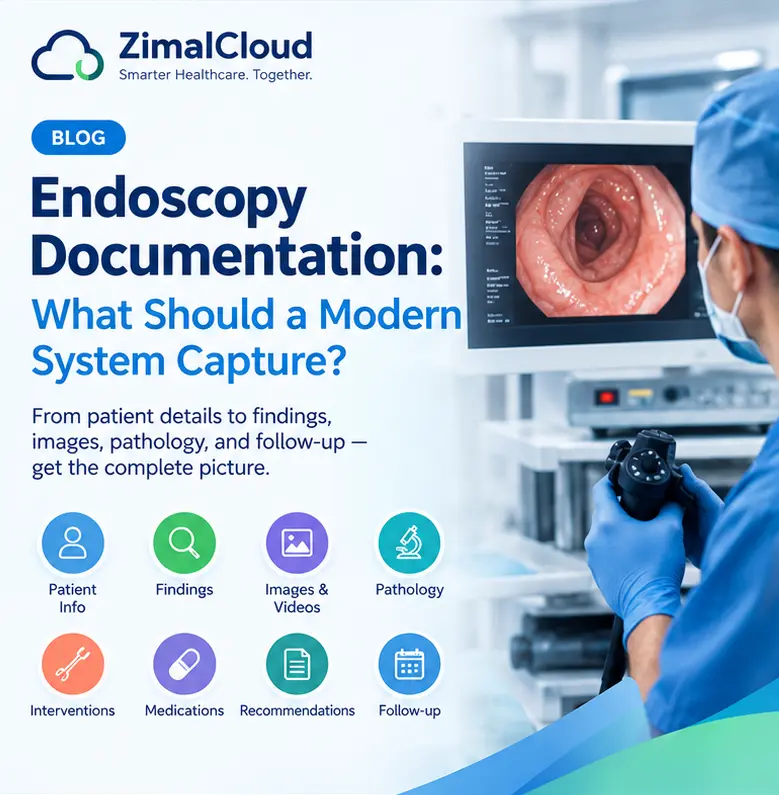
Endoscopy documentation should capture more than procedure notes. A modern system connects patient details, findings, anatomy, interventions, images, pathology, medications, complications, recommendations, coding support, and follow-up in one workflow—helping providers document efficiently while creating a complete, structured, and actionable clinical record.

Read insight
rpm-cpt-codes-and-billing-a-practical-guide-card
Care management

RPM CPT Codes and Billing: A Practical Guide

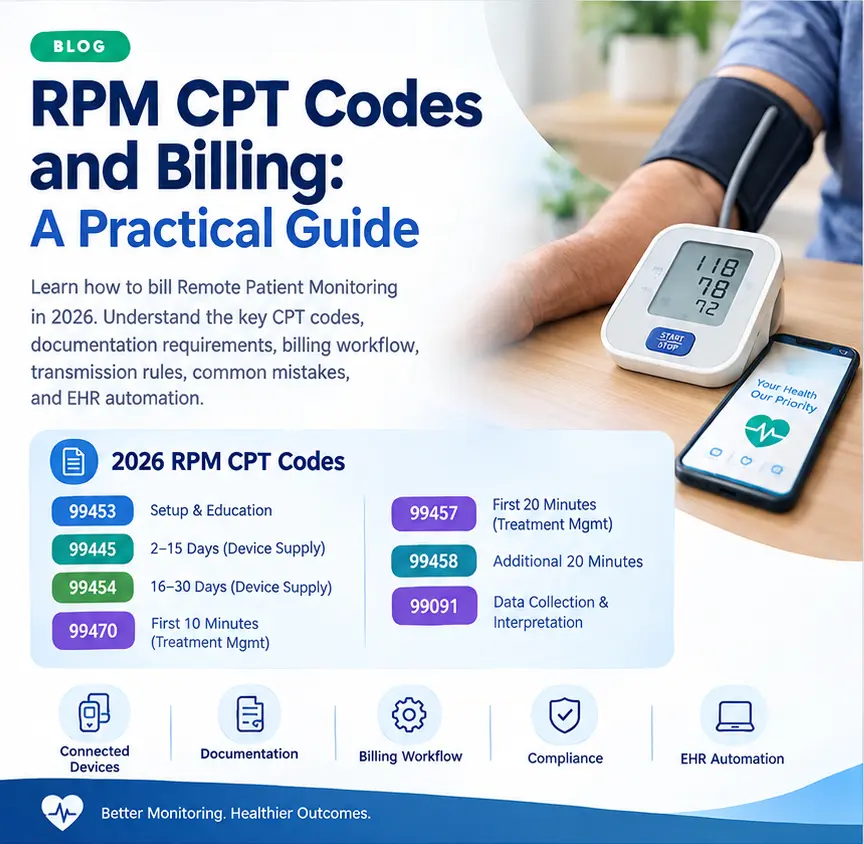
Remote Patient Monitoring (RPM) helps healthcare practices monitor patients using connected medical devices while supporting ongoing clinical management. This practical guide explains 2026 RPM CPT codes, including 99453, 99445, 99454, 99470, 99457, and 99458, along with documentation, billing workflow, transmission requirements, common mistakes, and EHR automation.

Read insight
ccm-vs-rpm-what-s-the-difference-card
Care management

CCM vs RPM: What’s the Difference?

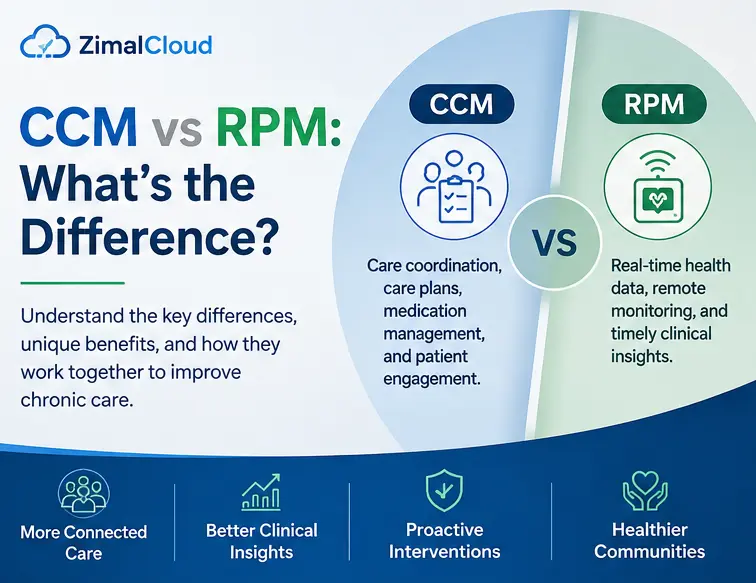
CCM and RPM both support patients beyond traditional office visits, but they serve different purposes. CCM focuses on comprehensive chronic care coordination, while RPM uses connected devices to collect and monitor physiological data remotely. Understanding their differences—and how they can work together—can help practices build more connected and effective chronic care programs.

Read insight
pcm-vs-ccm-what-s-the-difference-card
Care management

PCM vs CCM: What's the Difference?

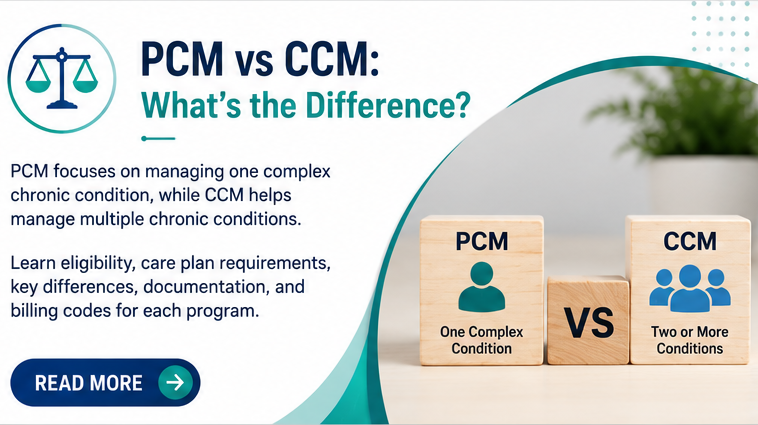
PCM and CCM are Medicare care-management services designed to support patients with chronic conditions, but they serve different clinical needs. CCM generally coordinates care for patients with two or more chronic conditions, while PCM focuses on one complex, high-risk chronic condition. Understanding the difference helps practices choose appropriate workflows, documentation, and billing process.

Read insight
what-is-principal-care-management-pcm-card
Care management

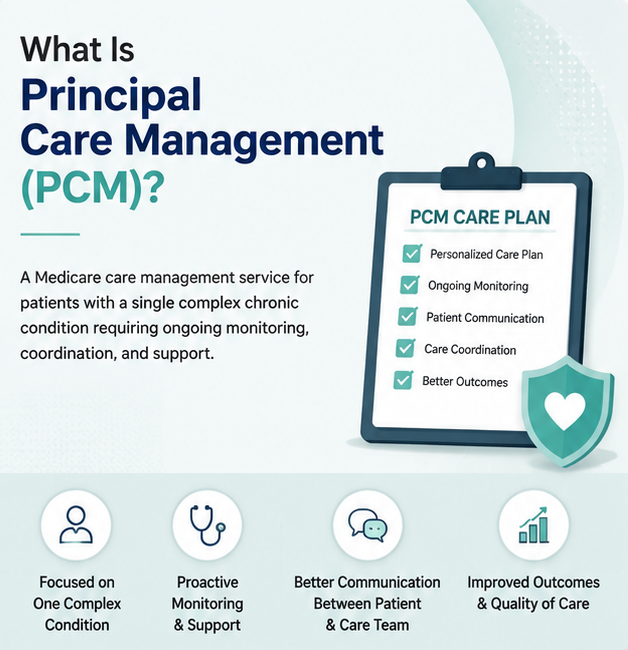
What Is Principal Care Management (PCM)?

Principal Care Management (PCM) provides focused, ongoing support for patients with a single complex chronic condition. Through personalized care plans, regular monitoring, patient communication, and care coordination, PCM helps healthcare teams manage disease more proactively, improve continuity of care, and support better patient outcomes between routine appointments

Read insight
how-ccm-software-helps-manage-chronic-conditions-card
Care management

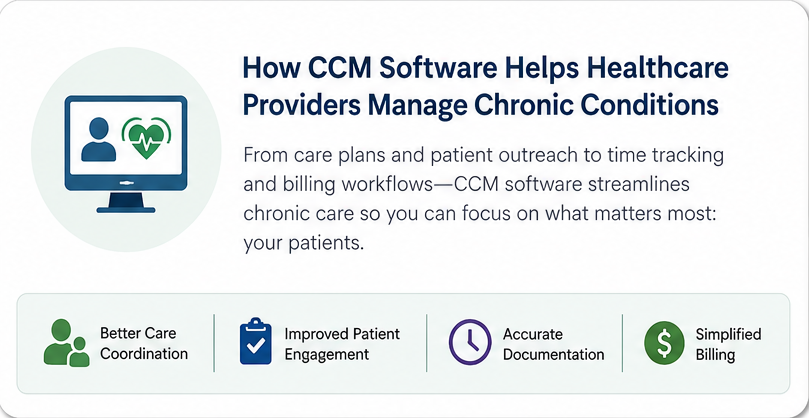
How CCM Software Helps Healthcare Providers Manage Chronic Conditions

CCM software helps healthcare providers manage chronic conditions through centralized care plans, patient outreach, medication tracking, task automation, documentation, time tracking, and care coordination. By connecting clinical activities with reporting and billing workflows, CCM technology enables more organized, proactive, and continuous care while reducing administrative workload.

Read insight