ZimalCloud insights

Healthcare technology insights

Practical guidance on healthcare technology for physician-led organizations.

Healthcare technology

how-to-protect-patient-data-in-cloud-based-healthcare-systems-card
Healthcare technology

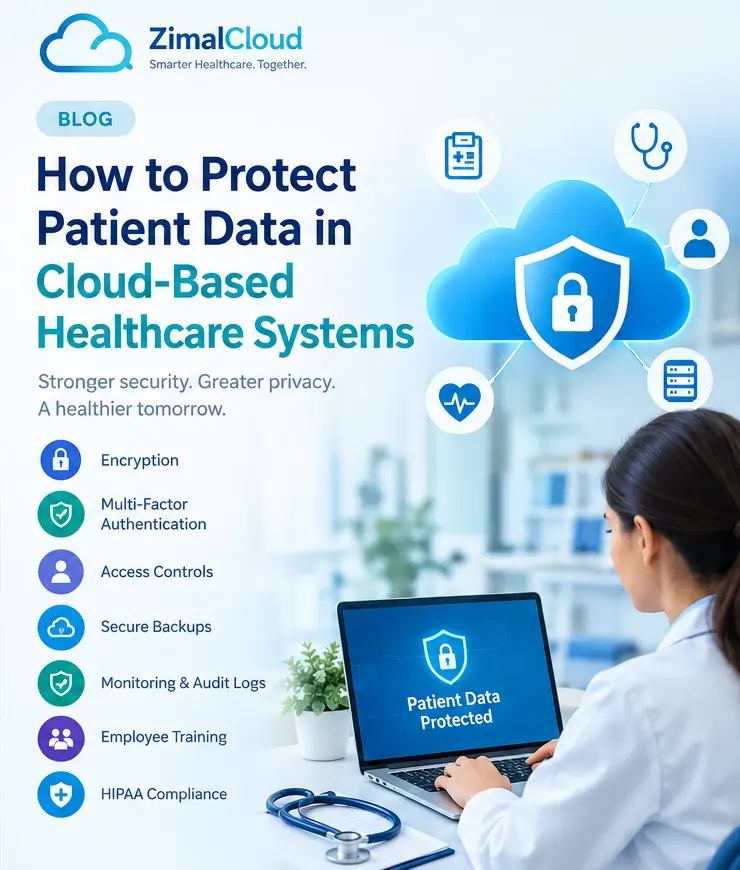
How to Protect Patient Data in Cloud-Based Healthcare Systems

Protecting patient data in cloud-based healthcare systems requires strong security at every level. Learn how encryption, multi-factor authentication, access controls, employee training, secure APIs, backups, monitoring, and incident response can help healthcare organizations reduce cybersecurity risks, protect sensitive health information, support compliance, and maintain patient trust.

Read insight
practice-management-vs-ehr-what-is-the-difference-card
Healthcare technology

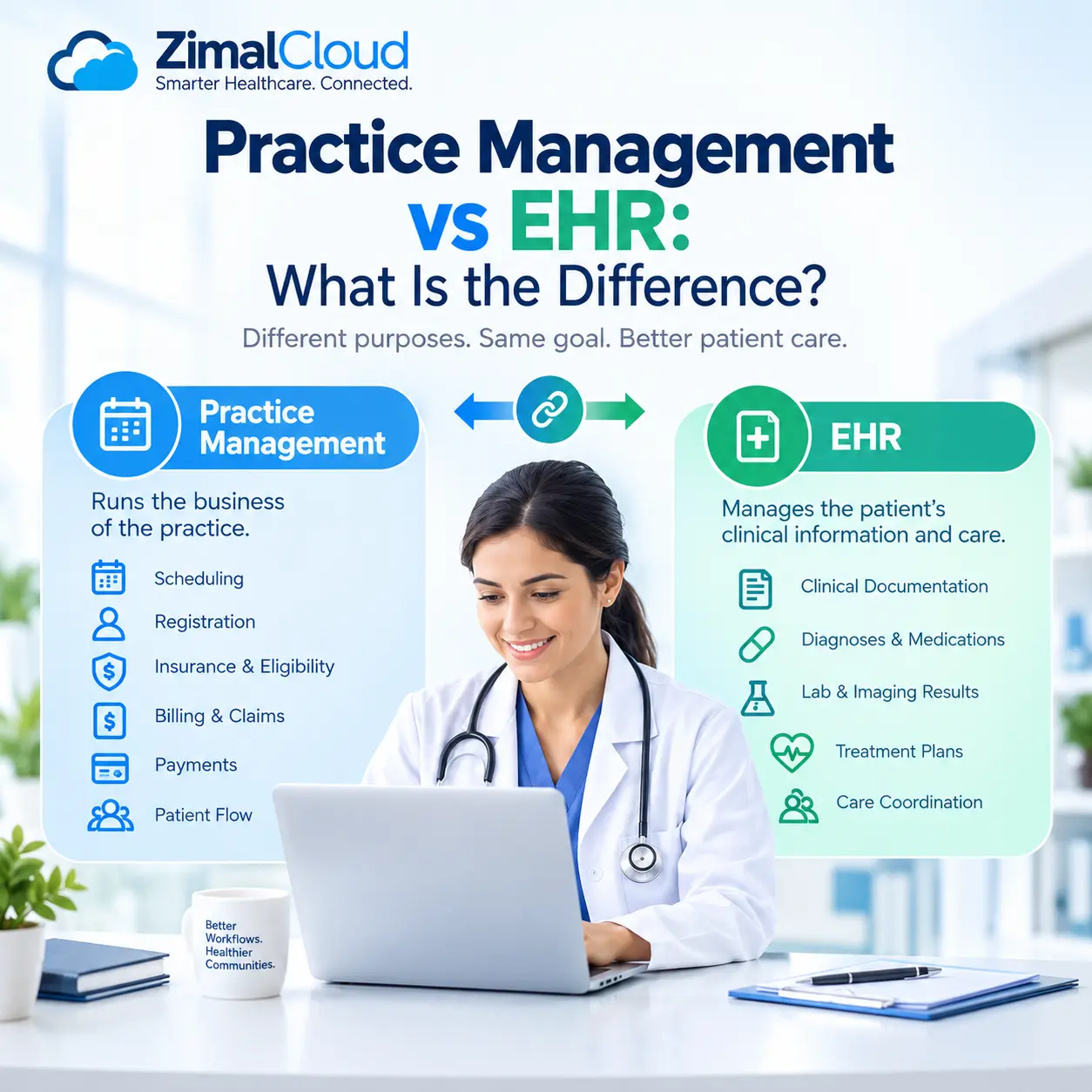
Practice Management vs EHR: What Is the Difference?

Practice Management and EHR systems play different but complementary roles in healthcare. PM software manages scheduling, registration, billing, claims, and administrative operations, while EHRs manage clinical records, documentation, diagnoses, medications, and care plans. Understanding how these systems differ— how they work together—can help practices build more efficient, connected workflows.

Read insight
rpm-vs-telehealth-understanding-the-difference-card
Healthcare technology

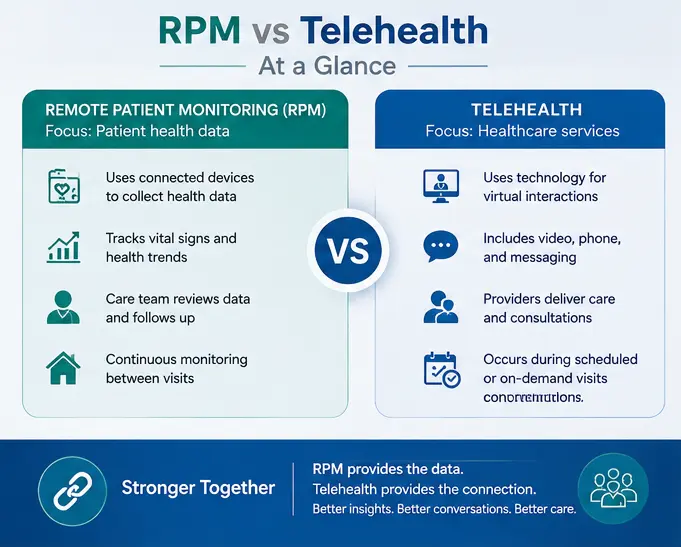
RPM vs Telehealth: Understanding the Difference

RPM and telehealth both bring healthcare beyond the traditional clinic, but they serve different purposes. Remote Patient Monitoring uses connected devices to collect and review patient health data, while telehealth enables remote consultations, communication, and care delivery. Learn how RPM and telehealth differ, how they can work together, and when each approach benefit patients and providers.

Read insight
10-essential-features-every-modern-practice-management-system-card
Healthcare technology

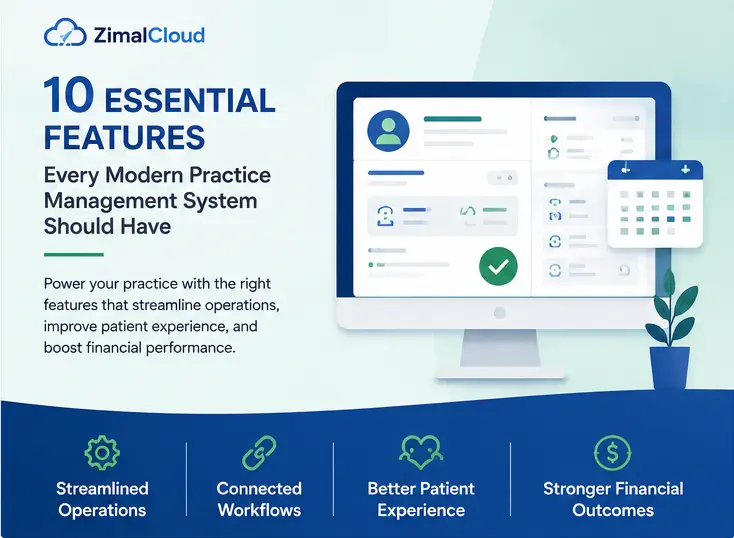
10 Essential Features Every Modern Practice Management System Should Have

A modern Practice Management System can streamline everything from scheduling and patient registration to billing, claims, communication, analytics, and security. This guide explores 10 essential features practices should look for, including automation, interoperability, revenue-cycle management, workflow tools, and secure access—all designed to create a more connected and efficient practice.

Read insight
what-is-practice-management-software-a-complete-guide-for-medical-practices-card
Healthcare technology

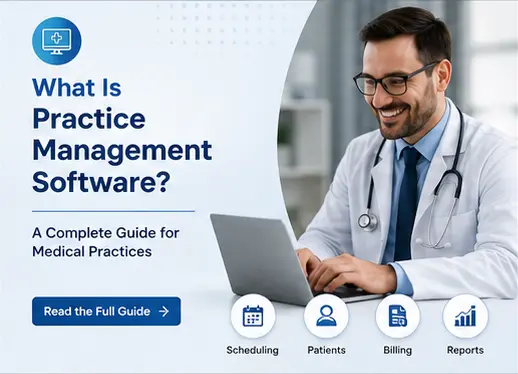
What Is Practice Management Software? A Complete Guide for Medical Practices

Practice Management Software helps medical practices manage the administrative and financial side of healthcare. From patient registration and appointment scheduling to insurance verification, claims, payments, and reporting, PMS connects essential workflows in one system. Learn how practice management software works, its key features, benefits, and what to consider when choosing a solution.

Read insight
fhir-vs-hl7-what-s-the-difference-card
Healthcare technology

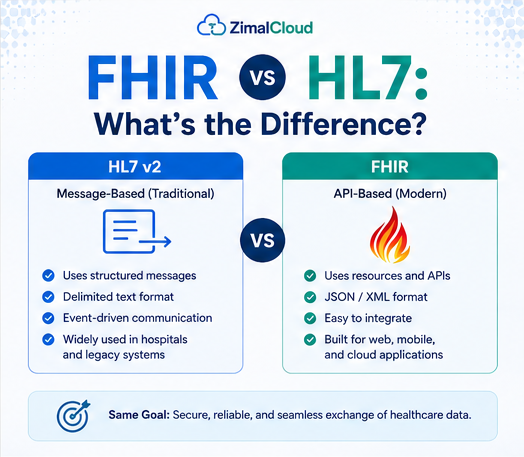
FHIR vs HL7: What’s the Difference?

FHIR and HL7 are two important healthcare interoperability standards. HL7 v2 uses message-based communication and remains widely used by hospitals and legacy systems, while FHIR uses modern resources, APIs, JSON, and web technologies. Learn how they differ, where each is used, and how healthcare organizations can use both to build connected digital health ecosystems.

Read insight
hipaa-compliant-cloud-software-what-should-providers-look-for
Healthcare technology

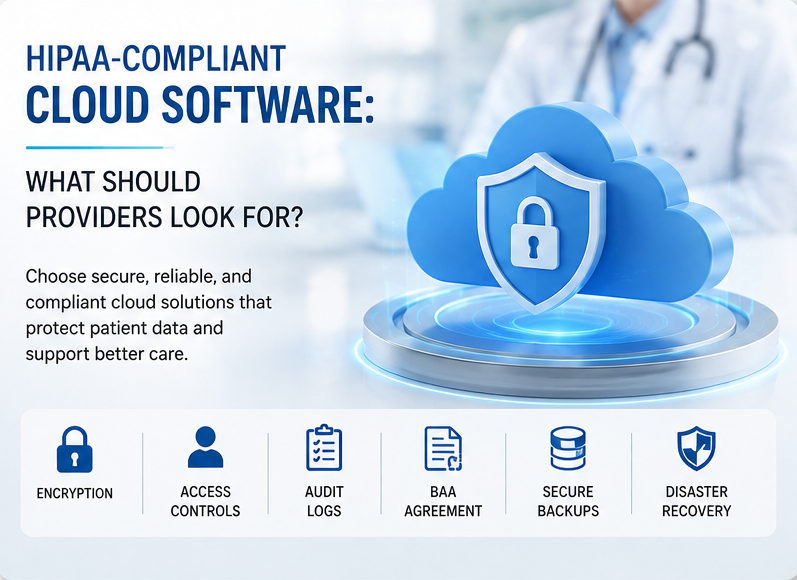
HIPAA-Compliant Cloud Software: What Should Providers Look For?

HIPAA-compliant cloud software helps healthcare providers securely manage PHI while supporting modern workflows. Learn what to evaluate before choosing a platform, including encryption, access controls, MFA, audit logs, BAAs, backups, disaster recovery, data portability, vendor security, and incident response. The right solution balances security, compliance, reliability, and everyday usability.

Read insight
what-is-healthcare-interoperability-card
Healthcare technology

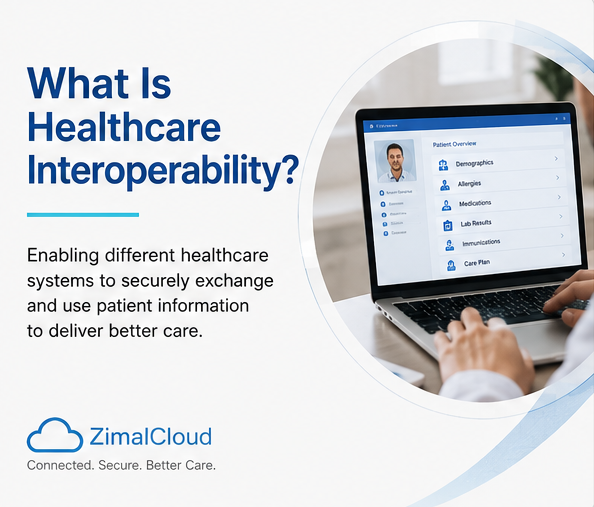
What Is Healthcare Interoperability?

Healthcare interoperability enables different healthcare systems, EHRs, providers, laboratories, pharmacies, and other organizations to securely exchange and use patient information. By using standards such as FHIR, HL7, and USCDI, interoperability reduces data silos, minimizes duplicate work, improves care coordination, and supports more connected, efficient, patient-centered healthcare.

Read insight