ZimalCloud insights

Ideas that move healthcare practices forward

Practical guidance on care programs, practice operations, healthcare technology, and sustainable growth.

Latest insights

healthcare-data-exchange-practices-card
Healthcare technology

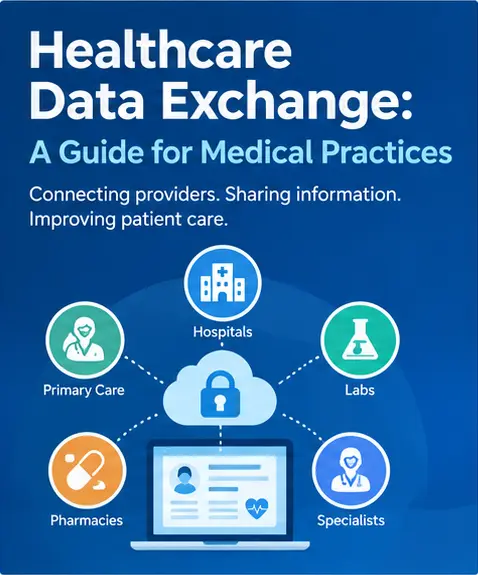
Healthcare Data Exchange: A Guide for Medical Practices

Healthcare data exchange enables medical practices to securely share patient information between EHRs, laboratories, pharmacies, hospitals, and other healthcare providers. This guide explains how healthcare data exchange works, its benefits, common challenges, interoperability standards, security considerations, and practical steps practices can take to improve coordinated, and efficient.

Read insight
stress-anxiety-difference-card

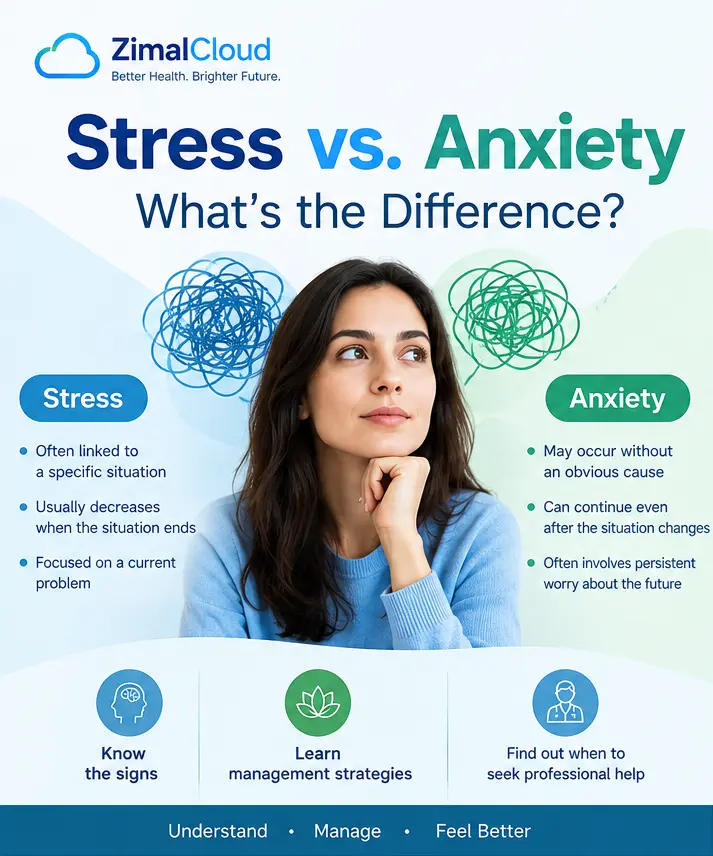
Stress vs. Anxiety: What's the Difference?

Stress and anxiety can feel similar, but they are not the same. Stress is usually a response to a specific challenge and may improve when the situation ends. Anxiety involves persistent worry or fear that may continue even without an immediate stressor. Learn the key differences, common symptoms, management strategies, and when professional support may help.

Read insight
common-gastroenterology-billing-errors-card
Gastroenterology

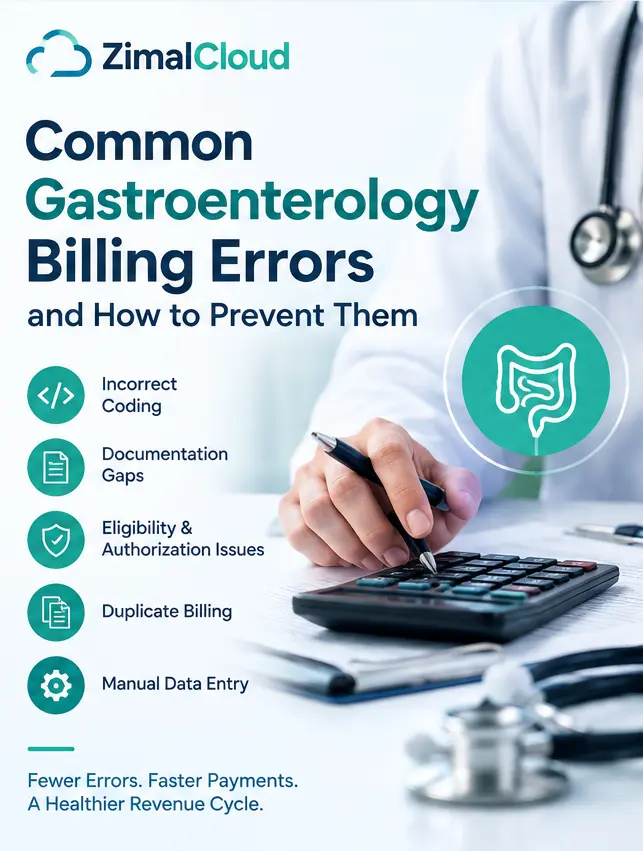
Common Gastroenterology Billing Errors and How to Prevent Them

Common gastroenterology billing errors can lead to claim denials, payment delays, and unnecessary administrative work. Learn how incorrect CPT/ICD-10 coding, documentation gaps, modifier errors, eligibility issues, duplicate billing, and manual data entry affect GI practices—and discover practical strategies and technology workflows that can help prevent these problems.

Read insight
who-qualifies-principal-care-management-card
Care management

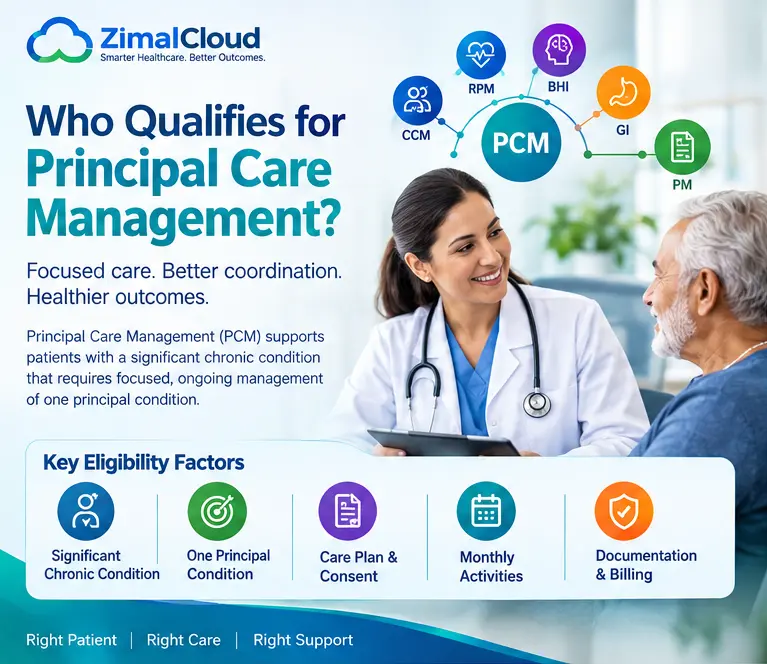
Who Qualifies for Principal Care Management?

Principal Care Management (PCM) supports patients with a significant chronic condition requiring focused, ongoing management. Learn who may qualify, what clinical and documentation requirements apply, how PCM differs from CCM, and how providers can build care plans, document monthly activities, and prepare accurate claims while following applicable Medicare and payer rules.

Read insight
remote-patient-monitoring-works-card
Care management

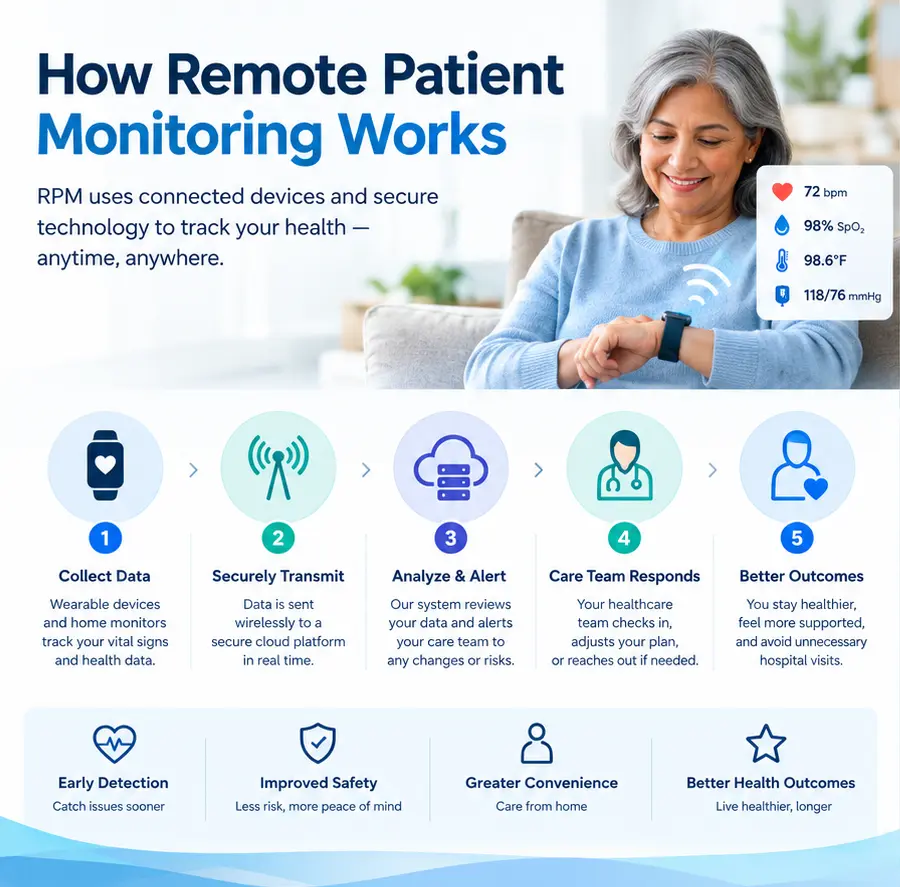
How Remote Patient Monitoring Works

Remote Patient Monitoring (RPM) connects patients, medical devices, and healthcare teams beyond the traditional clinic. Learn how RPM works—from patient enrollment and device setup to data collection, transmission, clinical review, alerts, documentation, and follow-up—and how connected RPM workflows can help practices improve monitoring, reduce manual work, and support ongoing patient care.

Read insight
complete-medical-practice-workflow-card
Healthcare technology

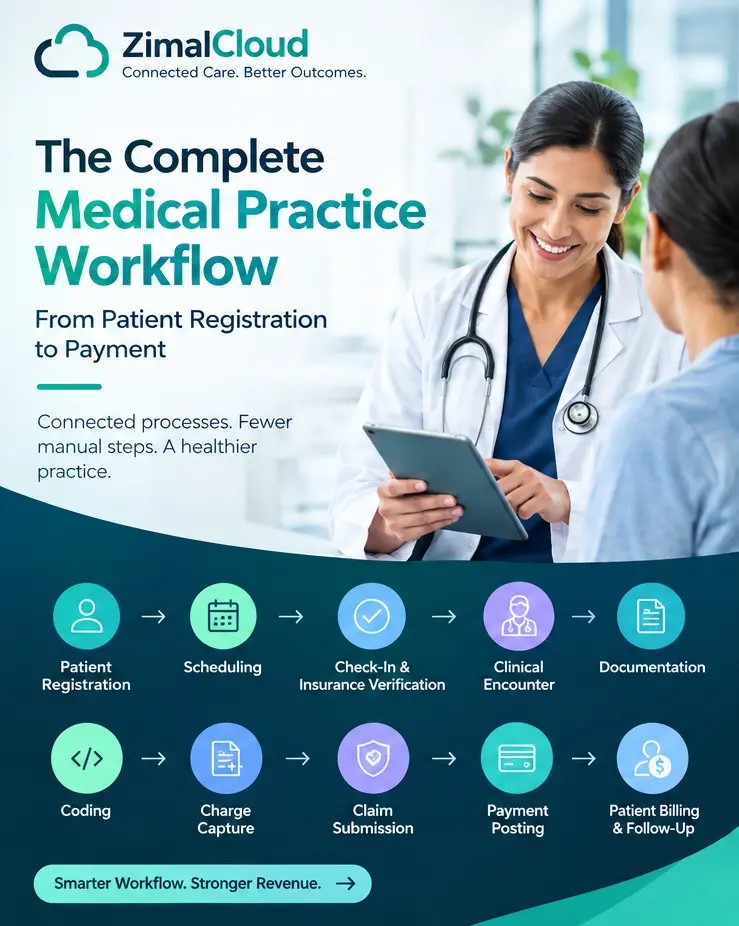
The Complete Medical Practice Workflow: From Patient Registration to Payment

A medical practice involves more than patient visits. From registration and scheduling to clinical documentation, coding, claims, payment, and follow-up, every step affects efficiency and revenue. Learn how a connected medical practice workflow can reduce repetitive work, improve data flow, streamline billing, and help doctors and practice managers run operations more effectively.

Read insight
improve-ccm-patient-engagement-card
Care management

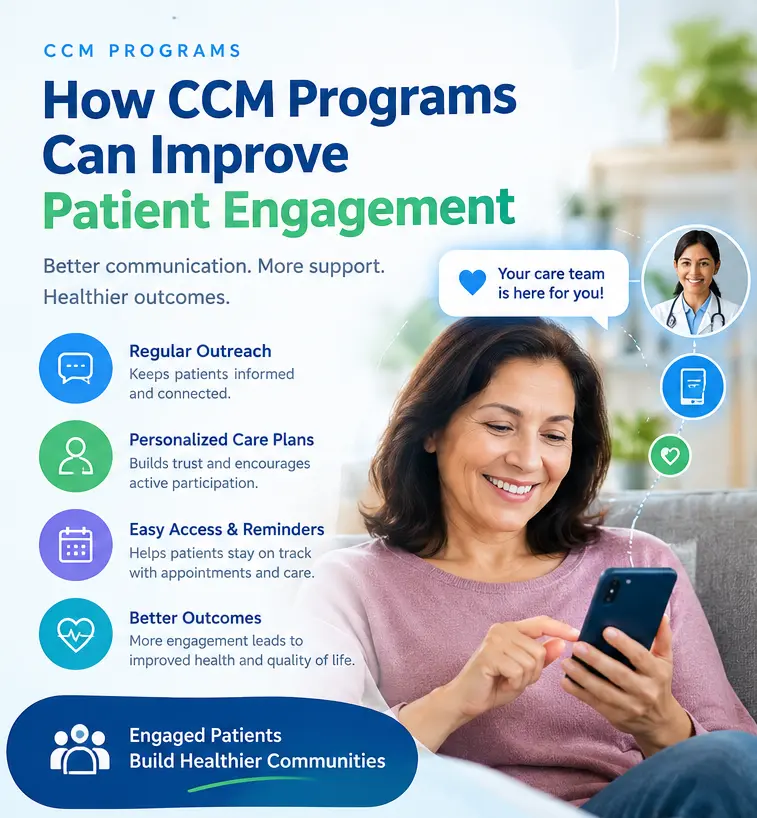
How CCM Programs Can Improve Patient Engagement

ZimalCloud CCM programs can help healthcare providers improve patient engagement through regular outreach, personalized care plans, medication communication, education, care coordination and consistent follow-up. Learn how structured CCM workflows and connected technology can help stay connected with chronic-care patients while reducing administrative friction and improving management visibility.

Read insight
medical-billing-guide-healthcare-providers-card

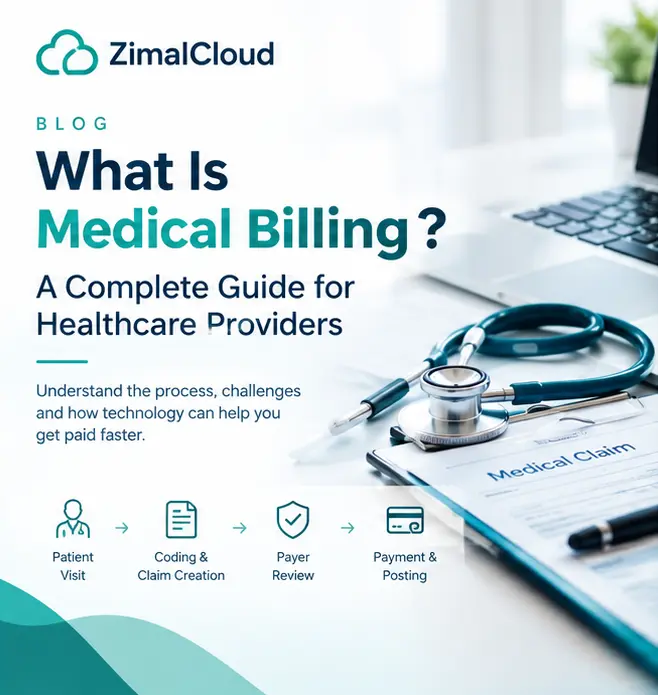
What Is Medical Billing? A Complete Guide for Healthcare Providers

Medical billing is the process of turning healthcare services into claims and managing them through payment. This guide explains medical billing, coding, claims, denials, payment posting, accounts receivable, and automation. Learn how healthcare providers can use connected technology to reduce administrative work, improve billing accuracy, track claims, and build a more efficient revenue cycle.

Read insight