What Is Gastroenterology Practice Management Software?
Gastroenterology Practice Management Software centralizes patients, scheduling, consultations, endoscopy, colonoscopy, documentation, billing, and follow-ups. It automates report completion and provides ICD-10 and CPT suggestions, helping reduce duplicate data entry, streamline coding and claims, improve workflow visibility, and support efficient GI practice operations.
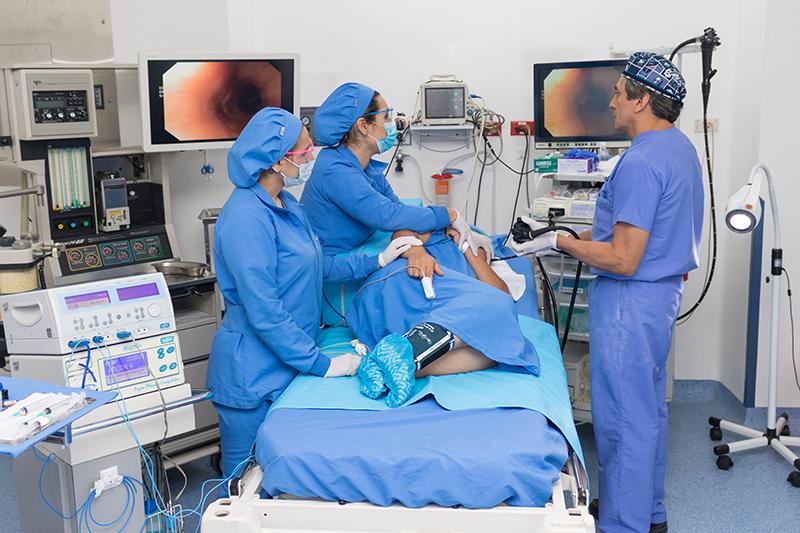
Table of contents
- Introduction
- What Is Gastroenterology Practice Management Software?
- Why Do Gastroenterology Practices Need Specialized Software?
- Graphical Workflow
- Key Features of Gastroenterology Practice Management Software
- 1. Centralized Patient Management
- 2. Gastroenterology Appointment Scheduling
- 3. Endoscopy and Colonoscopy Workflow
- 4. Automated Gastroenterology Report Completion
- 5. Intelligent ICD-10 Suggestions
- 6. CPT Suggestions for GI Procedures
- 7. Integrated Clinical and Billing Workflow
- 8. Insurance Eligibility and Authorization
- 9. Claims and Revenue Cycle Management
- 10. Patient Communication and Follow-Up
- 11. GI Reports and Clinical Documentation in One Place
- How Gastroenterology Practice Management Software Improves Efficiency
- Traditional Workflow
- Modern Automated Workflow
- Who Uses Gastroenterology Practice Management Software?
- Gastroenterologists
- Nurses and Clinical Staff
- Medical Assistants
- Coders and Billers
- Practice Administrators
- What Should You Look for in GI Practice Management Software?
- The Future of Gastroenterology Practice Management
- Conclusion
Introduction
Running a gastroenterology practice involves much more than diagnosing and treating digestive disorders. Gastroenterologists and their staff must manage patient appointments, referrals, clinical documentation, endoscopy and colonoscopy procedures, diagnoses, CPT coding, billing, reports, follow-ups, and insurance requirements.
When these activities are managed across disconnected systems, healthcare teams can spend significant time on administrative work instead of patient care.
Gastroenterology Practice Management Software is designed to bring these workflows together in one centralized platform. It helps GI practices manage patients, appointments, procedures, documentation, coding, billing, and reporting while reducing repetitive administrative tasks.
Modern solutions can go beyond basic practice management by using automation and intelligent clinical assistance. For example, our platform can help automate report completion and provide ICD-10 and CPT suggestions, helping gastroenterology teams complete documentation and coding workflows more efficiently.
What Is Gastroenterology Practice Management Software?
Gastroenterology Practice Management Software is a specialized healthcare software solution designed to manage the operational, clinical, and financial workflows of a gastroenterology practice.
Unlike generic practice management software, a GI-focused solution can be designed around the unique requirements of gastroenterology, including:
- Patient registration and demographics
- GI appointments and scheduling
- Referrals and authorizations
- Endoscopy and colonoscopy workflows
- Procedure documentation
- Clinical notes
- Automated procedure reports
- ICD-10 diagnosis suggestions
- CPT procedure suggestions
- Charge capture
- Claims and billing
- Insurance eligibility
- Payment and ERA workflows
- Follow-up management
- Patient communication
- Clinical reporting and analytics
The goal is to connect the entire workflow—from patient scheduling to procedure documentation and billing—within a single system.
Why Do Gastroenterology Practices Need Specialized Software?
Gastroenterology practices have workflows that are different from many other medical specialties.
A typical GI patient journey may include:
Referral → Appointment → Consultation → Procedure Scheduling → Pre-Procedure Assessment → Endoscopy/Colonoscopy → Procedure Documentation → Diagnosis → CPT/ICD Coding → Report Completion → Billing → Follow-Up
When every stage is handled manually or through separate applications, information can become fragmented.
A specialized GI practice management platform can connect these steps and allow authorized staff to access the information they need from one workflow.
Graphical Workflow
01 02 03 04 05
●───────────────●───────────────●───────────────●───────────────●
│ │ │ │ │
👤 Referral 📅 Eligibility 🩺 Consultation 🗓️ Procedure 🔬 Endoscopy
│ │ │ │ │
Patient info Insurance + History + Schedule Perform +
received appointment assessment procedure findings
06 07 08 09 10
●───────────────●───────────────●───────────────●───────────────●
│ │ │ │ │
📄 Report 🔎 Coding 💵 Claim 💳 Payment ❤️ Follow-up
│ │ │ │ │
Auto-generated ICD-10 + CPT Charge capture ERA + payment Continued
report suggestions & submission posting care
This connected workflow can help reduce duplicate data entry and improve operational efficiency.
Key Features of Gastroenterology Practice Management Software
1. Centralized Patient Management
A GI practice may manage thousands of patient records, including medical history, diagnoses, procedures, medications, allergies, referrals, and previous reports.
A centralized patient management system allows authorized users to access relevant patient information from a single patient profile.
This can help staff quickly understand the patient's history before a consultation or procedure.
2. Gastroenterology Appointment Scheduling
Scheduling is an important part of GI practice operations.
Software can help practices manage:
- New patient appointments
- Follow-up visits
- Consultation appointments
- Endoscopy appointments
- Colonoscopy appointments
- Procedure slots
- Provider schedules
- Room availability
- Rescheduling and cancellations
- Patient reminders
A centralized calendar can help staff coordinate providers, procedure rooms, and patient appointments more efficiently.
3. Endoscopy and Colonoscopy Workflow
GI practices frequently perform procedures such as:
- Upper GI endoscopy
- Colonoscopy
- Flexible sigmoidoscopy
- Capsule endoscopy
- ERCP
- EUS
- Other diagnostic and therapeutic GI procedures
Specialized software can organize procedure-related information, including patient preparation, procedure details, findings, impressions, diagnoses, and follow-up recommendations.
4. Automated Gastroenterology Report Completion
One of the biggest opportunities for automation in a GI practice is procedure report documentation.
Traditionally, providers may need to manually enter findings, observations, diagnoses, impressions, and recommendations into a report.
Our solution can help automate report completion by using information captured during the GI workflow to populate relevant report sections.
For example:
Procedure Data → Findings → Diagnosis → Impression → Recommendations → Completed Report
This can reduce repetitive documentation and help providers complete reports more efficiently.
Automation can also help standardize report structures while allowing clinicians to review and modify the information before finalizing the report.
Important: Automated documentation should support the clinician rather than replace clinical judgment. Providers should review and approve the final report.
5. Intelligent ICD-10 Suggestions
Accurate diagnosis coding is an important part of healthcare documentation and reimbursement.
A GI practice may work with diagnoses such as:
- Gastroesophageal reflux disease
- Barrett's esophagus
- Gastritis
- Colitis
- Diverticulosis
- Diverticulitis
- Colon polyps
- Hemorrhoids
- Inflammatory bowel disease
- Irritable bowel syndrome
- GI bleeding
- Dysphagia
- Abdominal pain
Our software can provide ICD-10 suggestions based on documented clinical information, helping coding teams identify potentially relevant diagnosis codes more efficiently.
The suggested code should always be reviewed and validated by an appropriately qualified healthcare professional or coding staff before submission.
6. CPT Suggestions for GI Procedures
CPT coding is another important component of the GI revenue cycle.
Depending on the documented procedure and services performed, the system can provide CPT suggestions to assist the billing workflow.
For example, the workflow may connect:
Procedure Documentation → Procedure Type → Clinical Details → CPT Suggestions → Provider/Coder Review → Charge Capture
This can reduce the need to search manually through large code sets and can help streamline the transition from clinical documentation to billing.
Again, CPT suggestions should be treated as decision support, not automatic final coding. The final code selection should be reviewed against the current coding guidelines and documentation.
7. Integrated Clinical and Billing Workflow
A modern GI platform should connect clinical documentation with revenue-cycle workflows.
Instead of entering the same information multiple times:
Clinical Encounter
↓
Procedure Documentation
↓
Diagnosis / ICD-10
↓
Procedure / CPT
↓
Charge Capture
↓
Claim Generation
↓
Claim Submission
↓
ERA / Payment Posting
Connecting these processes can help reduce duplicate work and improve visibility across clinical and billing teams.
8. Insurance Eligibility and Authorization
GI procedures may require insurance verification and, depending on the payer and service, prior authorization.
Practice management software can help staff organize:
- Insurance information
- Eligibility status
- Authorization requirements
- Authorization numbers
- Referral information
- Payer details
- Procedure-related documentation
Keeping these details connected to the patient's appointment and procedure can help staff identify issues earlier.
9. Claims and Revenue Cycle Management
A GI practice depends on an efficient revenue cycle.
Practice management software can support workflows such as:
Charge Capture → Claim Creation → Claim Validation → Submission → Claim Status → ERA → Payment Posting → Denial Management
This allows practices to track the financial lifecycle of services from the original encounter through reimbursement.
10. Patient Communication and Follow-Up
GI care often requires preparation instructions, follow-up appointments, test results, and post-procedure communication.
Software can help practices manage communication related to:
- Appointment reminders
- Procedure preparation
- Follow-up appointments
- Patient messages
- Procedure instructions
- Care coordination
Centralizing communication can help staff maintain a more organized patient experience.
11. GI Reports and Clinical Documentation in One Place
A gastroenterology practice may generate numerous documents, including:
- Consultation notes
- Endoscopy reports
- Colonoscopy reports
- Procedure notes
- Pathology-related documentation
- Follow-up notes
- Referral documents
- Patient instructions
A centralized system can associate these documents with the appropriate patient and encounter, making them easier for authorized users to locate.
How Gastroenterology Practice Management Software Improves Efficiency
The primary benefit of specialized GI software is not simply storing information. It is connecting workflows and reducing unnecessary manual work.
Traditional Workflow
Multiple Applications → Manual Data Entry → Separate Reports → Manual Coding Search → Separate Billing Workflow
Modern Automated Workflow
One GI Platform → Connected Patient Data → Automated Report Assistance → ICD/CPT Suggestions → Integrated Billing
This can help reduce administrative burden and allow clinical and administrative teams to focus more on their core responsibilities.
Who Uses Gastroenterology Practice Management Software?
A GI practice management platform can support different users, including:
Gastroenterologists
- Review patient history
- Document consultations
- Perform procedures
- Complete and review reports
- Review coding suggestions
Nurses and Clinical Staff
- Prepare patients
- Document clinical information
- Support procedures
- Manage follow-ups
Medical Assistants
- Manage appointments
- Collect patient information
- Coordinate documentation
Coders and Billers
- Review ICD-10 suggestions
- Review CPT suggestions
- Capture charges
- Submit claims
- Manage denials and payments
Practice Administrators
- Monitor operational performance
- Review provider productivity
- Analyze revenue-cycle activity
- Manage practice workflows
What Should You Look for in GI Practice Management Software?
When selecting a platform, gastroenterology practices should consider whether it provides:
| Capability | Why It Matters |
|---|---|
| Patient Management | Centralized patient information |
| GI Scheduling | Supports consultations and procedures |
| Endoscopy Workflow | Handles procedure-specific documentation |
| Colonoscopy Workflow | Supports colonoscopy-related processes |
| Automated Reports | Reduces repetitive documentation |
| ICD-10 Suggestions | Assists diagnosis coding |
| CPT Suggestions | Assists procedure coding |
| Charge Capture | Connects services to billing |
| Claims Management | Supports revenue-cycle workflows |
| Eligibility | Helps verify insurance coverage |
| Reporting | Provides operational visibility |
| Patient Communication | Supports reminders and follow-ups |
| EHR Integration | Helps connect clinical information |
The Future of Gastroenterology Practice Management
The next generation of GI practice management software is moving beyond simple scheduling and billing.
Modern platforms are increasingly combining:
EHR + Practice Management + GI Procedure Management + Automation + Coding Assistance + Revenue Cycle Management
AI-assisted documentation and intelligent coding suggestions can further reduce repetitive administrative tasks while allowing clinicians and coders to remain in control of final decisions.
For gastroenterology practices, the objective is simple: capture information once, use it throughout the workflow, and reduce unnecessary manual work.
Conclusion
Gastroenterology Practice Management Software provides a centralized way to manage the operational, clinical, procedural, and financial activities of a GI practice.
A modern GI solution can help manage the complete patient journey—from appointment scheduling and consultation through endoscopy or colonoscopy, report completion, ICD-10 and CPT suggestions, charge capture, claims, payments, and follow-up.
With capabilities such as automated report completion, intelligent ICD-10 suggestions, CPT suggestions, GI procedure workflows, and integrated practice management, our platform is designed to help gastroenterology practices streamline their daily operations and improve workflow efficiency.
The future of GI practice management is not simply about digitizing paperwork. It is about creating an intelligent, connected workflow that helps providers and staff spend less time on repetitive administrative tasks and more time supporting patient care.