What Are the Signs of Depression? A Guide to Recognizing the Symptoms
What are the signs of depression? Learn to recognize common symptoms, including persistent sadness, loss of interest, fatigue, sleep changes, irritability, and difficulty concentrating. Discover how depression can affect daily life, when to seek professional help, available treatment options, and ways to support someone experiencing depression. Understanding the signs is a step toward getting help
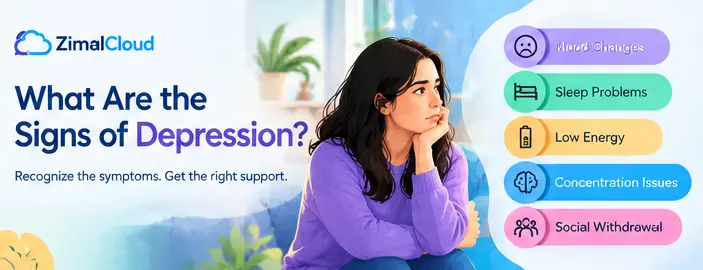
Table of contents
- Introduction
- What Is Depression?
- What Are the Common Signs of Depression?
- 1. Persistent Sadness or Low Mood
- 2. Loss of Interest in Activities
- 3. Changes in Sleep Patterns
- 4. Fatigue and Low Energy
- 5. Changes in Appetite or Eating Habits
- 6. Difficulty Concentrating or Making Decisions
- 7. Feelings of Guilt, Worthlessness, or Hopelessness
- 8. Irritability or Increased Frustration
- 9. Withdrawing From Friends and Family
- 10. Unexplained Physical Symptoms
- How Long Do Depression Symptoms Last?
- What Are the Signs of Depression in Teenagers?
- How Can You Support Someone Experiencing Depression?
- Conclusion
Introduction
Everyone experiences sadness, stress, or difficult emotions from time to time. However, when low mood, loss of interest, or other symptoms persist and begin to affect everyday life, they may be signs of depression.
Depression is a common mental health condition that can affect how a person thinks, feels, behaves, sleeps, and manages daily responsibilities. It is more than feeling sad for a day or two, and it can affect people of different ages and backgrounds.
Recognizing the signs of depression is an important step toward getting the right support. Although symptoms vary from person to person, understanding common warning signs can help individuals and their loved ones recognize when professional guidance may be helpful.
What Is Depression?

Depression, also known as major depressive disorder when specific diagnostic criteria are met, is a mental health condition that can affect mood, motivation, concentration, energy, and daily functioning.
It may develop gradually or become noticeable after a stressful life event. Sometimes, it occurs without an obvious trigger.
Depression is not a personal weakness or a character flaw. It can be influenced by a combination of biological, psychological, social, and environmental factors. With appropriate support and treatment, many people experience improvement.
What Are the Common Signs of Depression?
Depression can cause emotional, physical, cognitive, and behavioral changes. A person may experience several symptoms at once, while another person may notice only a few.
1. Persistent Sadness or Low Mood
One common sign of depression is feeling sad, empty, hopeless, or emotionally low for much of the day.
These feelings may persist for days or weeks and may not improve as expected, even when circumstances change. Some people describe feeling emotionally numb rather than sad.
Occasional sadness is a normal part of life, but persistent low mood that interferes with daily activities deserves attention.
2. Loss of Interest in Activities
A person experiencing depression may lose interest in hobbies, social activities, relationships, or other things they previously enjoyed.
Activities that once felt rewarding may begin to seem difficult, uninteresting, or exhausting. This change can affect work, school, family life, and social connections.
A sustained loss of interest or pleasure is one of the key symptoms healthcare professionals consider when evaluating depression.
3. Changes in Sleep Patterns
Depression can affect sleep in different ways.
Some people experience insomnia, difficulty falling asleep, or waking frequently during the night. Others sleep much longer than usual but still feel tired.
Persistent sleep changes, particularly when accompanied by low mood or reduced interest in daily activities, may be a reason to speak with a healthcare professional.
4. Fatigue and Low Energy
Feeling unusually tired or lacking energy is another common sign.
Routine activities such as getting dressed, preparing meals, completing assignments, or managing household tasks may feel more demanding than usual.
This fatigue is not always relieved by rest. However, tiredness can also result from medical conditions, sleep disorders, medication effects, or other causes, so it is important not to assume that fatigue alone means depression.
5. Changes in Appetite or Eating Habits
Depression may affect appetite and eating patterns.
Some people feel less interested in food, while others eat more than usual. These changes may be accompanied by unintentional weight changes.
If appetite or weight changes are persistent or unexplained, a healthcare professional can help identify possible causes and recommend appropriate support.
6. Difficulty Concentrating or Making Decisions
Depression can affect attention, memory, and decision-making.
A person may struggle to focus on conversations, follow instructions, complete schoolwork, organize tasks, or make everyday decisions.
These difficulties can sometimes be mistaken for laziness or a lack of motivation. In reality, changes in concentration may be part of a broader mental health concern or another medical issue.
7. Feelings of Guilt, Worthlessness, or Hopelessness
Some people experiencing depression become unusually self-critical or feel that they are failing others.
They may dwell on past mistakes, blame themselves for circumstances beyond their control, or believe that their situation will never improve.
When these feelings become persistent and interfere with daily life, professional support can help a person understand and manage them.
8. Irritability or Increased Frustration
Depression does not always appear as sadness.
Some people become more irritable, impatient, frustrated, or emotionally sensitive than usual. They may find it harder to manage everyday stress or respond to situations that previously felt manageable.
Irritability can be especially noticeable in children and teenagers, although it can occur in adults as well.
9. Withdrawing From Friends and Family
A person with depression may begin avoiding social gatherings, replying less often to messages, or spending more time alone.
Social interaction may feel exhausting, or the person may believe that others will not understand what they are experiencing.
Although everyone needs time alone sometimes, a persistent withdrawal from supportive relationships can be a sign that someone needs additional care.
10. Unexplained Physical Symptoms
Depression can occur alongside physical symptoms, including headaches, digestive discomfort, muscle aches, or other persistent pain.
Some people seek help for physical complaints before recognizing changes in their mood or interest in daily activities.
These symptoms can have many causes. A medical assessment is important, especially when symptoms are new, persistent, or worsening.
How Long Do Depression Symptoms Last?
For a diagnosis of major depressive disorder, healthcare professionals generally look for symptoms that occur during the same two-week period, represent a change from previous functioning, and include depressed mood or loss of interest or pleasure.
The symptoms must also cause significant distress or impairment, and a professional assessment considers other possible explanations.
However, you do not need to wait two weeks to ask for help. If symptoms are distressing, interfere with daily activities, or are getting worse, consider contacting a qualified healthcare professional sooner.
What Are the Signs of Depression in Teenagers?
Depression in teenagers may look different from depression in adults. In addition to persistent sadness, teenagers may experience:
- Increased irritability or anger.
- Loss of interest in hobbies or time with friends.
- Changes in sleep or eating habits.
- Difficulty concentrating at school.
- Falling academic performance.
- Persistent tiredness or unexplained physical complaints.
- Avoidance of family or social activities.
These changes do not automatically indicate depression, but persistent symptoms that affect school, relationships, or daily functioning deserve attention.
Parents, caregivers, and trusted adults can help by listening without judgment, taking concerns seriously, and supporting access to a qualified mental health professional.
How Can You Support Someone Experiencing Depression?
If a friend or family member may be experiencing depression, small, supportive actions can make a difference.
- Listen carefully without judging or minimizing their feelings.
- Let them know that you care and are willing to help.
- Encourage professional support without pressuring them.
- Offer practical assistance with everyday responsibilities when appropriate.
- Stay in touch, even if they are less socially active than usual.
- Take safety concerns seriously and seek immediate help when necessary.
Avoid statements such as “just be positive” or “you have nothing to be sad about.” Depression is a real health condition, and understanding and patience are more helpful than blame.
Conclusion
Recognizing the signs of depression can help people seek support before symptoms have a greater impact on everyday life. Persistent sadness, loss of interest, fatigue, sleep changes, concentration difficulties, irritability, and social withdrawal are among the symptoms worth paying attention to.
Not everyone experiences depression in the same way, and no single symptom confirms a diagnosis. A qualified healthcare professional can assess the symptoms and discuss appropriate treatment options.
If you are concerned about your mental health or someone else's, reaching out for support is a positive and important step. Depression is treatable, and help is available.